
Seasonal Product Development: Functionality, Flavor, and Formulation
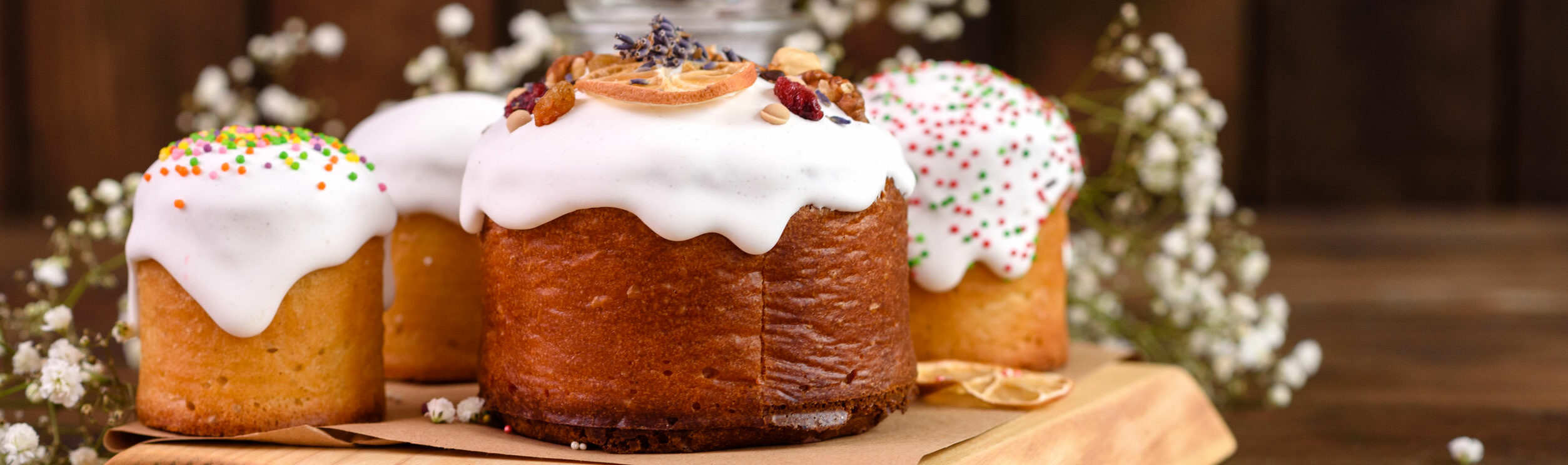
The seasonal treats market is projected to reach a mouthwatering USD 82.8 billion by 2026. That steady growth represents how popular limited-time offers have become. Consumers crave authenticity, novelty, and the technical mastery required to deliver a key lime pie with a perfectly set curd in July or a panettone with the ideal crumb structure in December.
However, it seems that the margin for error shrinks as the calendar flips. To succeed, bakers must treat each seasonal lineup as a unique engineering problem, where the variables like ingredient functionality, water activity, and leavening kinetics shift with the weather. Join us as we dive into insight from our recent Indulgent Baking BAKERview.
The Freshness of Summer
Summer treats are defined by bright, high-moisture inclusions. Peach cobbler, blueberry muffins, and lemon meringue pie all share a common enemy: water migration.
When we fold fresh or frozen berries into a muffin batter, we introduce a significant variable: water activity (aw). If the water activity of the fruit (typically 0.97–0.99) is higher than the surrounding crumb, moisture will migrate, creating a soggy ring and shortening shelf-life. The solution lies in managing the matrix. Our flour, with its 10-12% protein content, provides the structural scaffold to trap fermentation gases, but it cannot alone halt water migration. This is where we turn to hydrocolloids or modified starches to bind that free water in the inclusion phase before it ever meets the dough.
Furthermore, consider our sugar cookies. In a high-temperature summer kitchen, dough temperature management is critical. Water is our primary tool for temperature control during mixing, but sugar is the unsung hero of texture. That’s because it competes for water, reducing water activity and extending microbial stability. In a sugar cookie destined for a summer market, the sugar-to-fat ratio must be precise to maintain that signature snap without promoting excessive spread in a warm environment.
Fall’s Beloved Spice
Autumn baking is a lesson in density management. Pumpkin pie, apple crisp, and gingerbread rely on heavy, water-laden inclusions and pungent spices that do more than flavor. In fact, they chemically interact with our leavening systems.
For instance, take cinnamon rolls. We rely on yeast for leavening, flavor, and aroma. But standard yeast strains can falter when faced with the dual stressors of high sugar content (from the filling) and the presence of cinnamon. Cinnamon contains cinnamaldehyde, a compound with natural antimicrobial properties that can suppress yeast activity. This is why osmotolerant yeast strains are often preferable in fall formulations, because they are bred to thrive under high osmotic pressure and can better tolerate the chemical environment created by spices.
Fat also plays a pivotal role here. In pumpkin scones, the fat (butter, shortening, or margarine) coats the flour proteins, limiting hydration and gluten development. This “shortening” effect is essential when mixing a wet puree into a dry dough; without adequate fat coating, the puree would hydrate the gluten and yield a tough, bread-like scone rather than the tender, flaky texture consumers expect.
Maintaining Moisture in Winter
Winter treats demand a different technical toolkit. Items like Yule Log (Bûche de Noël) , Panettone and Springerle cookies require precision in texture and appearance, often relying on advanced ingredient technologies.
The Yule Log requires a flexible crumb that can roll without cracking. This is where eggs earn their keep, providing both structural proteins (for strength) and emulsifying lipids (for tenderness). The moisture contributed by egg yolks helps maintain pliability post-baking, allowing the cake to bend around a filling without fracturing.
But the most cutting-edge technology in winter baking is encapsulation. When we add peppermint oil to a dark chocolate bark or a sugar cookie, we risk volatility loss during processing or blooming in the finished product. Encapsulated flavors (where the oil is trapped in a matrix of maltodextrin or fat) provide controlled release. The flavor remains locked until the product is bitten into or warmed in the mouth, ensuring that the peppermint punch lands exactly when it should. Also, encapsulation protects sensitive inclusions from reacting with the dough matrix, preserving both flavor and appearance.
The Perfect pH in Spring
Spring baking is about lightness, lift, and delicate botanicals. Lemon pound cake, lavender scones, and hot cross buns require a masterful command of chemical leavening.
The speed of the leavening reaction is influenced by acid type, temperature, and water activity. In a lemon pound cake, we are dealing with a dual-acid system: one that reacts at room temperature to create nucleation sites for a fine crumb, and one that reacts later during the oven spring. However, citrus introduces additional acid, which can throw off this delicate balance if not accounted for. This is where quality control comes in. Monitoring the pH of the batter ensures that the acid from the lemon juice hasn’t shifted the leavening curve too early or too late.
For lavender scones, the challenge is botanical integration. Dried lavender flowers are inclusions that contribute little moisture but significant flavor and appearance. However, they can also create weak points in the dough structure if not properly hydrated or if added at the wrong stage.
Want to learn more? Watch the full BAKERview:
The QC Imperative
Regardless of the season, success hinges on quality control. Before a seasonal limited time offer (LTO) hits the market, we must verify:
- Moisture Content: Too high, and mold blooms. Too low, and the product becomes brittle
- Water Activity (aw): The critical predictor of microbial stability and texture retention.
- Texture: Is the crumb structure consistent with the standard?
- Color: Has the Maillard reaction proceeded correctly, given the sugar and egg substrates?
With these parameters in check, you’ll be on your way to producing high-quality and shelf-stable seasonal treats.
Get Baking
Seasonal baking is about sparking joy. Although that doesn’t mean that you can leave behind the data-driven formulation that respects the unique challenges of each quarter. Ready to elevate your seasonal strategy with precision-formulated resources? Be sure to check out our Seasonal Treats Pocket Guide for technical specifications and formulation tips that will help keep your LTOs on trend and on target.
Want to stay up-to-date with BAKERpedia? Sign up for our newsletter today!