
Blog

Solutions for the Natural and Organic Baker
Along with trends from the last few years, the demand for natural and organic products is growing. And it’s not going away anytime soon. So now is the time to jump on the train. But before you do, it's important to know what’s...

Enzymes and the Fascinating World Alive in a Cell
Enzymes play a key role in dough and the finished product.Ever wondered how a couple grams of lipase, hemi-cellulase or amylase enzymes in 500 lbs of dough impact bread properties so much? What’s more, the amylases used to...

Staying Ahead of the Packaged Functional Foods Trend
Functional foods, such as fiber or probiotics, are gaining momentum in consumer packaged goods. How can the baking industry utilize the functional powerhouse of prebiotics, probiotics and fiber? Functional foods are gaining...
How to Approach Clean Labels
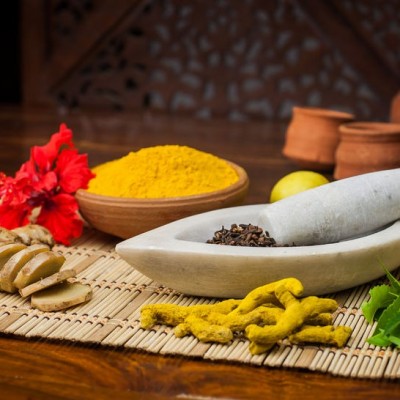
Natural ingredients are a good start to clean labels Defining "clean label" is tricky. Your consumers want products as natural as possible, without chemicals and hard-to-pronounce ingredients. And while clean label may be a...
How Does Dough Absorb Water?
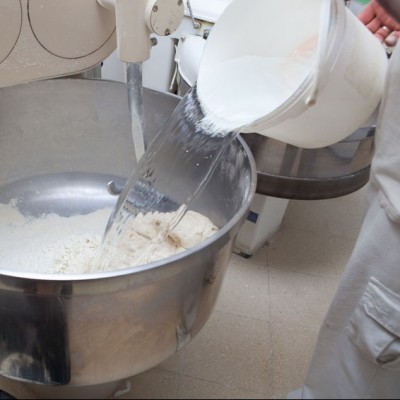
The percentage of water absorption -- or the amount of water taken in by flour -- to give your dough optimal consistency is influenced differently by different ingredients. Although the percentage itself may be easy to understand (60% water absorption means 60 lbs of...
The Nutritional Benefits of Sprouted Grains
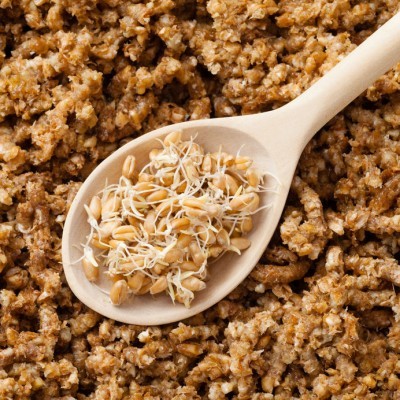
Sprouted grains are ground down before being used in products.Sprouted grains are believed to be nutritionally superior to non-sprouted grains. Just take a look at their rising popularity. The key benefits claimed for sprouting...
Do You Know Your Chocolate Essentials?
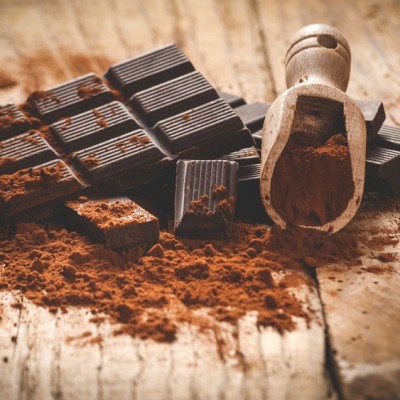
It's important to know how Chocolate will impact your product. Chocolate takes just about any dessert to the next level—from rich cakes to dipped cookies. However, here are some things to keep in mind when creating your latest...

Tired of hearing about the FSMA regulation on kill step?
You’re not the only one. We know from this blog that there is a looming deadline for what the FDA expects. While some of us are still figuring things out, some of us are wondering what else we should be doing with the M.O.L.E....

Do Glyphosates Cause Cancer?
Pre-harvest glyphosate application is generally used for perennial weed control.Glyphosates in your diet are not likely to cause cancer. A new study conducted by the World Health Organization (WHO) and the United Nations Food and...
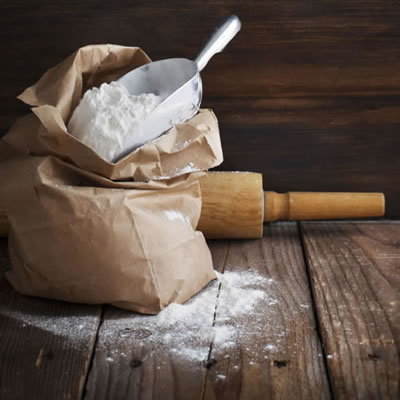
The Dummies’ Guide to Baking Ingredients
All-purpose flour is a common baking ingredient.A lot more goes into baking other than flour and water. Even simple ingredients like salt play a bigger role than adding flavor. I recently hosted a record-attended webinar by the American Society of Baking on the basics...

Are You Killing Your Enzymes?
Enzymes help speed up production, but have many other benefits. You probably know what an asset enzymes are to keeping up production speed and clean labels. If you don't, you're about to! The key to these little guys is giving...

You Should Use a Thermal Profile
Why? Because it gives you quality and consistent products. A thermal profile reads and analyzes the change of temperature inside a product while it is baking in the oven. It will give you the whole picture of what is happening...

What’s Hot Now? Artisan Breads
A variety of rustic, hand-shaped breads fall in the Artisan category. Artisan breads are in high demand right now. Named one of the top bread trends for this year, they are popular for their wholesome, natural persona. There is...
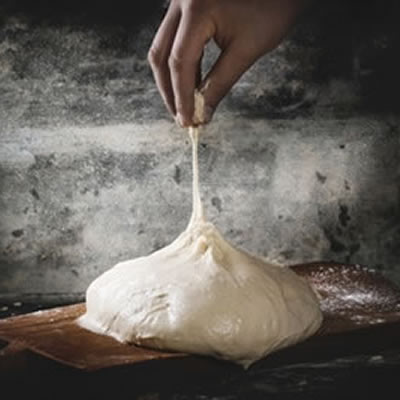
Optimize Gluten, Improve Your Dough
Gluten uniquely holds three characteristics important to bread making: elasticity, viscosity and extensibility.Although most of the buzz these days is how to take gluten OUT of food, it’s important to understand why you need it...
How Will the FDA’s Added Sugar Regulation Affect Your Bakery?
Added sugars in bakingSince its implementation in the 1990’s the FDA has been playing catch up with nutrition labeling in consumer packaged foods. The latest revisions to the nutritional labeling changes could cause confusion for...