
Mastering Pizza & Flatbread Baking
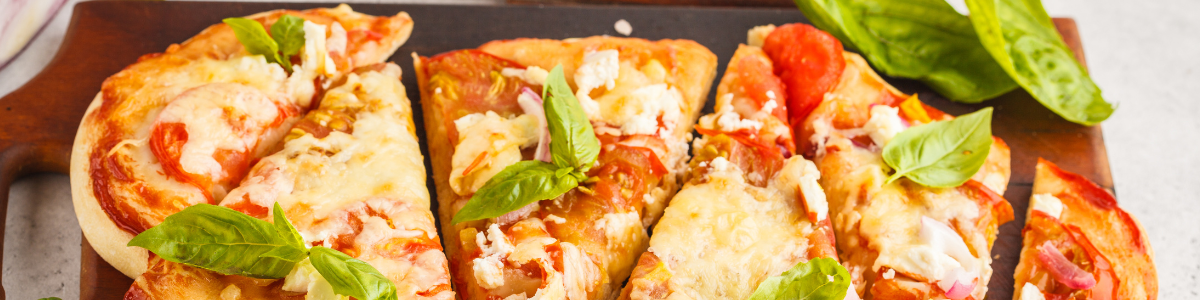
While a perfect baguette is a work of art, the real growth in our industry is occurring in the realm of flat doughs. The numbers are remarkable: the U.S. pizza market is projected to skyrocket from 48.6billion to 222.5 billion, while flatbread is climbing from 43.7 billion to 70.7 billion. This marks a fundamental shift in consumer demand, and bakers are taking notice. However, producing a consistent, high-quality pizza crust is vastly different from crafting a pliable, pocket-ready pita. The secret lies in mastering the dough from the inside out.
The Dough Divide: Elasticity vs. Flowability
At its core, the difference between pizza and flatbreads like pita or chapati boils down to dough structure.
- Pizza dough requires elasticity, tenacity, and chewiness. It needs to be strong enough to stretch thin, hold a heavy load of toppings, and emerge from the oven with a crispy, blistered crust. High-gluten flour and well-developed gluten networks are essential here.
- Flatbread dough, such as pita or chapati, must be more relaxed and flowable. For pita, this flowability is crucial; steam during a high-heat bake must puff the entire disk, creating the signature pocket. A tough dough won’t yield.
This science of baking distinguishes the artisanal from the amateur. How do you consistently achieve these different textures at a commercial scale? Ingredients and formulation are huge factors in the equation.
How Ingredients Impact Doughs
Every ingredient plays a critical role. Here are the key ingredients bakers should focus on:
- Fats: Acting as tenderizers, fats like oil in focaccia create a softer crust, shorter bite, and a moister texture. In pizza, a touch of oil adds flexibility and flavor without compromising structure.
- Sweeteners & Yeast: This dynamic duo drives fermentation. Sugars feed the yeast, which produces CO2 for leavening and alcohol for aroma. Remaining sugars contribute to that golden-brown crust during baking.
- Water (Hydration): Water is your primary texture agent. High-hydration pizza doughs (like Neapolitan styles) yield open, airy crumbs and crispier crusts. Lower hydration is used for cracker-thin styles.
Don’t Forget Technique
Of course, it isn’t just what goes in the dough that matters. It’s also important to consider how it’s processed. Pizza dough requires thorough kneading and long fermentation for flavor and strength. Conversely, chapati dough requires short resting and quick cooking, deriving flavor from the grain and process itself. For focaccia, a sponge preparation is often key to developing its open, airy crumb and tangy flavor before the dough is mixed.
Want to learn more? Watch the BAKERview:
Upgrade to Data-Driven Dough
Transitioning from guesswork to guaranteed results involves understanding your flour’s personality before it hits the mixer. The Brabender 3-Phase System is invaluable:
- Farinograph (Phase 1): Measures flour’s water absorption and mixing stability. This knowledge ensures perfectly hydrated doughs, whether stiff for pizza or slack for pita.
- Extensograph (Phase 2): Predicts dough-stretching properties by measuring resistance and extensibility. It helps balance strength for New York-style stretch or relaxed flow for pita pockets.
- Amylograph (Phase 3): Analyzes starch behavior, predicting final product quality by understanding dough gelatinization during baking and its influence on crumb structure and texture.
Using this three-phase approach allows you to troubleshoot issues pre-production, select the ideal flour, and standardize processes for unwavering quality.
Bake a Stellar Slice of Pizza (and Flatbread)
We understand your hands are in the flour, not technical manuals. To make this science accessible, we offer free, comprehensive pocket guides. Download our Baking Pizza and Flatbread Pocket Guide today. These guides are packed with actionable data for processing naan, pita, and focaccia. They’re designed as quick, on-the-floor references to help you perfect your craft and capture a bigger slice of the $300 billion pie. In this competitive market, consistency is king. By understanding the science behind the crunch and the pocket, you ensure your products stand out as stars of the show.
Download the Pocket Guide now!
Want to stay up-to-date with BAKERpedia? Sign up for our newsletter today!