
Blog

BAKED in Science S2E7: Preventative Maintenance
Are you having issues juggling a Preventative Maintenance (PM) program? Or how do you prevent grease from contaminating your food? Our first guest has the answers to these questions and more. Meet Bill Steadman from AIB International. Bill is the Manager, Quality...
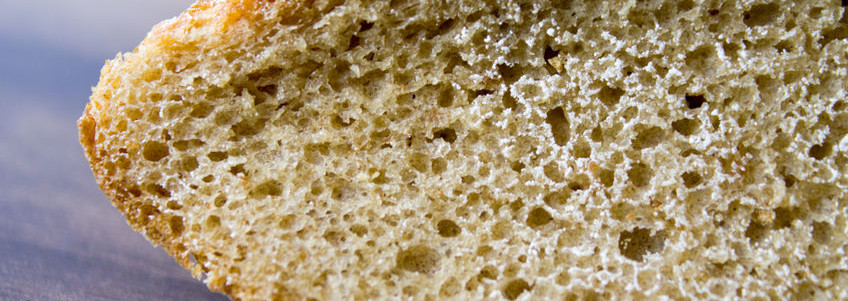
6 Ways to Slow Staling in Baked Goods
Someday, your products will go stale. Recrystallization of the starch molecules, gluten cross-links and moisture re-distribution are the main causes. Thankfully, there are ways to at least keep this process at bay! How to slow staling with ingredients Enzymes: alpha...
BAKED in Science S2E6: How To Excel At Your Next Food Safety Audit
Would you like to learn the secrets of a successful food safety audit? We start with Stephanie Lopez, VP of Food Safety Services, Americas, AIB International. She shares her tips on setting the tone for an audit. Why be FSMA compliant? Well, that’s because FDA has the...
BAKED in Science S2E5: Building a Bakery
How can you be successful in running your bakery business? When a hundred things are happening all at once, do you stay focused on your product, or compete on price? In this humble interview with the President of Middleby Processing Group, Mark Salman shares his...

Cordia Harrington: A Baking Industry Success Story
You never know where the baking industry will take you, no matter how you plan. Cordia Harrington did not have a “strategic plan” to become influential leader in this industry. But now she is. How did she get there? It wasn’t an easy road. In 1993, as a McDonald’s...
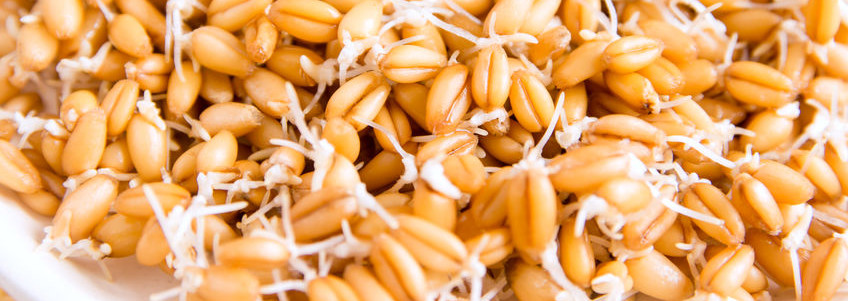
Why You Should Bake Sprouted Grain Bread
One of the big challenges facing the baking industry right now is how to make bread appealing. From gluten-free to keto, many consumers are skipping the carbs for health reasons. It’s up to us to supply bread that has a high nutritional profile. One popular—and...
BAKED in Science S2E4: The Challenges with Flour
Who can you go to for help with your flour challenges? Dr. Gary Hou from the Wheat Marketing Center in Portland, provides the flour quality support that you need. Besides running farinograph, moisture, ash and protein analysis, flour expert Dr. Hou also consults on...
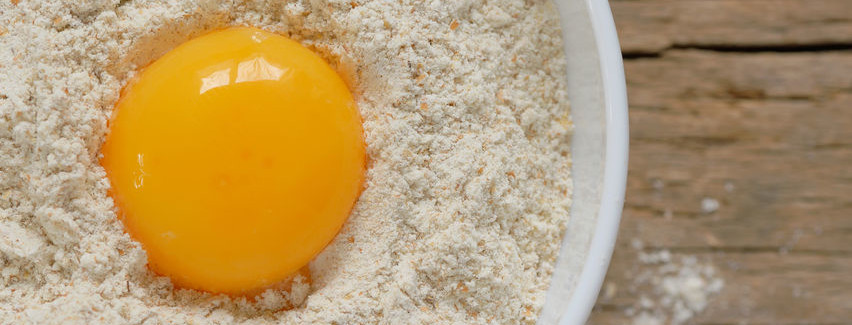
Egg Replacers are a Real Solution
The egg shortage is no yoke! (yoke, joke, see what I did there?). The avian flu is decreasing the supply of eggs and increasing prices. If you’re looking for a solution, egg replacers should be at the top of your list! Why egg replacers? In our current situation, the...

BAKED in Science S2E3: High Fiber Bread
We all know that baking with fiber is challenging. Not only does it mess up your absorption levels, it affects mixing time and final product attributes as well. In this episode, we have Jim Little, VP Innovations at Craftmart in Indianapolis. We talk about the new FDA...
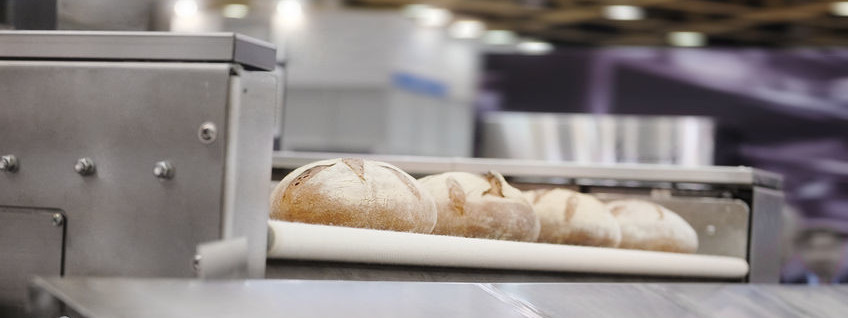
Why Networking, Education, and Baking Tech Matter
Every year, there’s an endless chain of events and conferences for the baking industry. And every year, I’m reminded how impactful and unique Baking Tech is. It really is the best week in baking! Put on by the American Society of Baking (ASB), Baking Tech gives the...
Lallemand Baking
Lallemand Inc. is a privately-held Canadian company, and is a leading developer, producer and marketer of yeasts, bacteria and other microorganisms serving the baking, winemaking, distilling, ethanol, brewing, animal nutrition, dietary supplements, food, fermentation,...
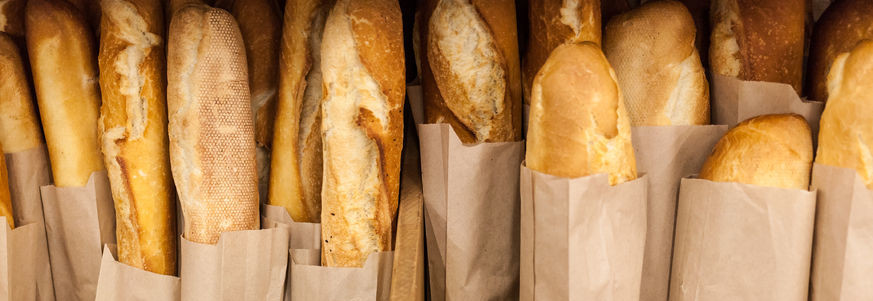
No Preservatives Added: Cultured Wheat as a Clean Label Mold Inhibitor
While simply adding terms like "organic" and "non-GMO" would seem to serve as a solution to satisfy the masses, the internet has opened up every opportunity for anyone to figure out exactly what is in their food. Achieving a completely “Clean Label” is what companies...
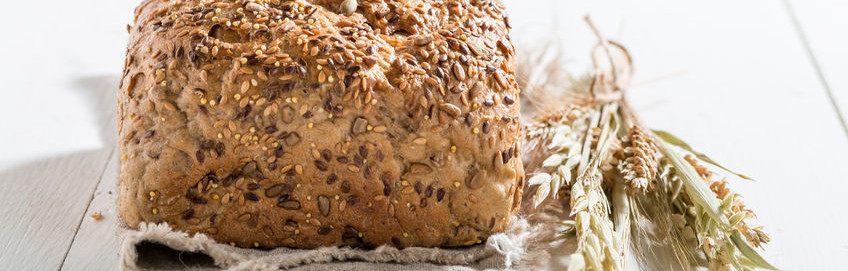
Baking with Insoluble Fiber
Fiber in baked goods… it’s an interesting dilemma. Insoluble fiber is a bulking agent with health benefits and zero calories. It’s also woven into the key ingredients of bread: whole grains and wheat bran. Insoluble fiber is also found in a variety of foods,...

Seven Ways to Increase Your Baking Skills
There’s always something new to learn; another skill to add to your repertoire. Sometimes it helps to have a hands-on, personal education. That’s why I launched The Academy—one day courses that give you the practical, technical insight you need, in a way that fits...
BAKED in Science S2E2: The Future of Mixing
Do you beat the heck out of your dough during mixing and make it as warm as possible? If so, I’d like to introduce you to a new form of cool mixing from Rapidojet. Here, we learn about Dr. Bernard Noll’s startup story for Rapidojet:...