
Sourdough Gets A New Look
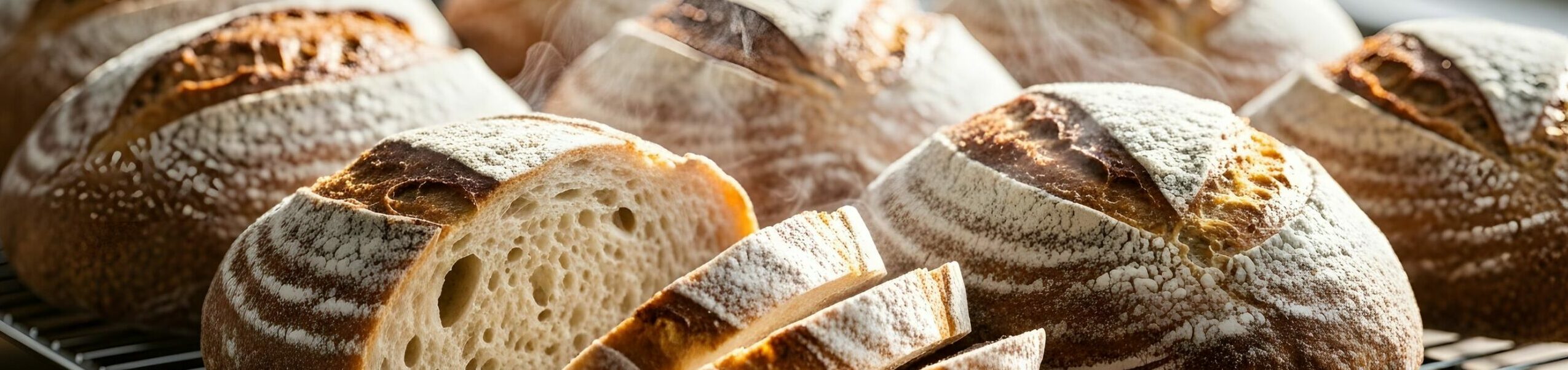
For centuries, the baker’s starter has been the steadfast, bubbling heart of crusty hearth loaves. But a quiet, microbial revolution is underway. Today’s innovative bakers are deploying their sourdough cultures not just as leavening agents but as sophisticated flavor and texture architects, infiltrating categories once dominated by commercial yeast and chemical leaveners. Sourdough is moving beyond bread, transforming into a technical toolkit for unparalleled quality in cakes, pastries, and croissants.
What Goes Into a Sourdough Starter?
At its core, a sourdough starter is a stable symbiotic culture of lactic acid bacteria (LAB) and wild yeasts. The LAB produces organic acids (lactic and acetic) and a suite of subtle flavor compounds, while the yeasts handle gas production. This is the critical shift in application: when moving beyond bread, we often harness the starter primarily for acidification and flavor development, sometimes in conjunction with other leavening systems. The starter’s enzymatic activity, which breaks down complex starches and gluten, is a powerful tool for tenderizing the crumb and extending shelf life through natural preservation.
From Niche to Mainstream Demand
The recent explosion in home baking provided the initial proof, but the professional market’s interest has been driven by a more discerning consumer palate. Shoppers now actively seek “fermented” on labels, associating it with digestibility, depth of flavor, and artisanal integrity. Consumers are hungry for more than just a product; they’re searching for a process story rooted in natural transformation, marking a shift toward valuing biochemical complexity in baked goods.
Sourdough’s Sweet and Laminated Applications
This is where the real dough gets rolled out. Forward-thinking bakeries are achieving remarkable results:
- Cakes & Quick Breads: Here, sourdough is used as a flavor fraction. A portion of the flour is pre-fermented, building a base note of tang and richness that balances sweetness. The acids also tenderize gluten, yielding a moist, fine crumb that stays fresher longer. Think chocolate cakes with a hint of complexity or carrot cakes with enhanced spice notes.
- Pastries & Cookies: In short-dough applications, the starter’s acidity can be managed through fermentation time and temperature to impart a rounded, buttery depth without overt sourness. It can replace chemical leaveners for a more nuanced rise in scones, or add a craveable quality to shortbread that keeps customers coming back.
- Croissants: This is the pinnacle of technical application. Incorporating stiff sourdough into the détrempe (base dough) requires precise lamination science. The payoff? A laminated pastry with extraordinary flavor layering. The tangy fermentation notes cut through the buttery richness of croissants, while the acidulation strengthens gluten just enough to support dramatic, honeycombed alveolation without toughness.
Proofing the Market
For bakers, this expansion requires a new skill set. It’s about managing biochemical processes that include controlling fermentation variables (time, temperature, and inoculation percentage) to target specific pH levels and flavor profiles for each product category. All in all, it’s precision work.
For consumers, it means an elevated sensory experience. They receive products with naturally superior shelf life, enhanced nutrition due to increased mineral bioavailability, and a flavor story that mass-produced items cannot replicate. They are voting with their wallets for this deliciously layered complexity.
The Future is Fermented
The journey of sourdough from the banneton to the pastry bench is a testament to the evolving technical landscape of baking. By understanding and harnessing the full potential of our microbial partners, bakers can create a new generation of differentiated, superior baked goods that truly stand out in a crowded market. This is innovation, one carefully fermented step at a time.
Ready to scale your sourdough innovation? Dive deeper into the science behind the starter in our comprehensive Sourdough Technology BAKERpaper. Download the technical white paper today!
Want to stay up-to-date with BAKERpedia? Sign up for our newsletter today!