
Cake Frosting Gets Trendy
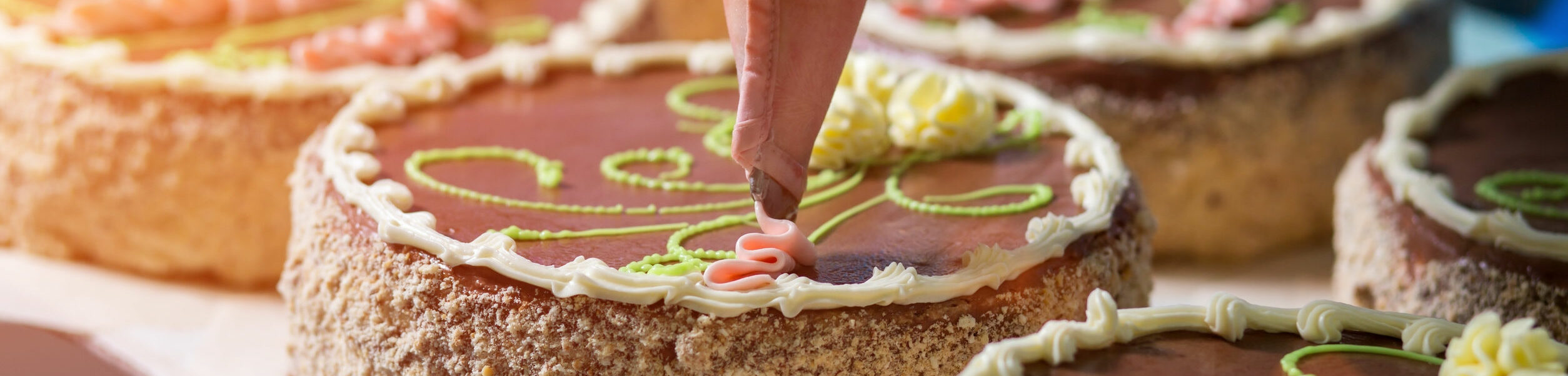
What’s a slice of cake without deliciously whipped frosting? Turns out, not a lot! According to recent market analysis, the global cake frosting and icing market is projected to grow at a compound annual growth rate (CAGR) of 5.6% from 2026 to 2033. The days when a simple mound of buttercream or a drizzle of glaze icing would suffice are fading. Today’s market is being driven by a hunger for premiumization, health-conscious formulations, and sensorial experiences that captivate a social-media-savvy clientele. Discover two areas that are providing bakers with new opportunities in the delectable world of frosting.
Zesting Up the Glaze Game
The first major opportunity lies in what we might call the “aromatic glaze.” Bakeries are increasingly moving away from one-dimensional powdered sugar icings toward sophisticated glazes that deliver an intense, clean flavor punch through essential oils.
For the commercial baker, this trend puts a new spin on traditional icing and frosting production. Using high-quality, food-grade essential oils allows for:
- Consistent Intensity: Oils provide a stable, powerful flavor that doesn’t bake out or degrade as quickly as zests or juices.
- Cleaner Labels: They allow you to achieve “natural flavor” without relying on artificial extracts or compounds.
- Shelf-Life Stability: Oils contain no water or sugars that can promote microbial growth in a glaze, and they can also potentially extend product life (depending on the formulation).
This aligns perfectly with the market’s drive toward unique and customized options noted in the report. By incorporating these aromatics, bakers can turn frosting into a multisensory experience.
“Better-for-You” Frosting
However, we can’t forget to mention one of the biggest takeaways from the report. It highlights a critical demand: “health-conscious formulations, such as sugar-free and vegan options, represent significant opportunities.” The Better-for-You trend has reshaped product development in many ways.
The challenge, of course, is texture. How do you create a vegan buttercream that pipes as crisply as a traditional dairy-laden version? How do you formulate a sugar-free ganache that still sets with that signature gloss and snap?
This is where bakers need to get creative to achieve the perfect texture and flavor, while still providing those on-the-label claims consumers are looking for. In turn, that means exploring:
- Alternative Fats: Refined coconut oil, cocoa butter, and high-oleic oils can create stable emulsions for plant-based creams.
- Natural Emulsifiers: Ingredients such as sunflower lecithin or aquafaba (the water from cooked chickpeas) can replicate the binding properties of eggs and dairy.
- Sugar Alcohols and Natural Sweeteners: Erythritol, allulose, and monk fruit extract can provide sweetness and bulk without the glycemic impact or the cooling aftertaste of some alternatives.
Successfully navigating this terrain allows a bakery to capture the “residential” and “artisanal” market segments identified in the report, offering products that cater to specific dietary needs without compromising the indulgent experience people crave from a frosted cake.
Ready to Whip Up Something New?
The numbers don’t lie; the frosting and icing sector is poised for robust expansion, but the spoils will go to those who innovate. Whether it’s through the heady aroma of an essential-oil glaze or the technical mastery of a perfectly textured vegan cream cheese frosting, the future belongs to bakers who see their topping not as an opportunity to shine. If you are looking to learn more about the technical specifications, formulation challenges, and application techniques for these next-generation frostings and icings, be sure to check out our articles on frosting and icing innovation. Happy baking!
Want to stay up-to-date with BAKERpedia? Sign up for our newsletter today!