
Mastering The Production of Buns and Rolls
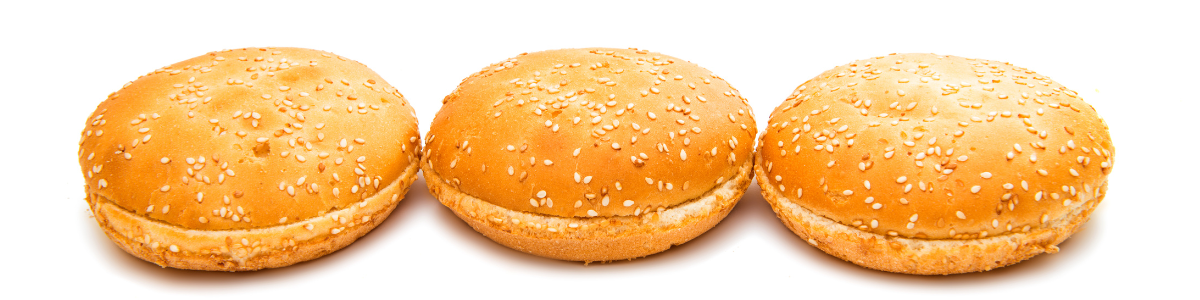
The humble bun and roll may seem simple, but in the hands of a skilled baker, they become the foundation of countless meals, ranging from breakfast sandwiches to gourmet burgers. Bakers know that consistency, texture, and flavor are non-negotiable. However, as consumer preferences shift alongside the demand for artisan-quality products at scale, staying ahead requires both technical know-how and creative adaptability. Read on to take a bite out of the latest trends, dough science, and processing tips to help you perfect your bun game.
The Bun Market
Consumer tastes are evolving, and buns and rolls are no exception. Clean-label ingredients, whole grains, and sourdough-inspired flavors are gaining traction, while plant-based and high-protein options cater to health-conscious buyers. Artisan-style buns with irregular shapes and blistered crusts are also trending, even in fast-casual settings. All this is proof that customers crave authenticity, even in mass production.
For commercial bakers, this opens the door to innovation. Experimenting with pre-ferments, alternative flours (such as spelt or rye), and functional ingredients (like honey or malt) can help set your products apart. Also, let’s not forget the rise of brioche buns, which are now a staple in both gourmet and QSR markets.
Finding the Right Balance Between Lean and Rich Doughs
Not all doughs are created equal. Understanding the difference between lean and rich formulations is crucial for texture and shelf life.
- Lean doughs (think classic burger buns or French rolls) contain minimal fat and sugar, relying on strong gluten development for structure. They’re forgiving in processing but require precise hydration control to avoid toughness.
- Rich doughs (like brioche or challah buns) are enriched with butter, eggs, and sugar, yielding a tender crumb and golden crust. However, their high fat content can inhibit gluten, requiring adjusted mixing times and fermentation.
So, what’s the secret? Our biggest tip is not to underestimate the importance of formulation tweaks. A slightly higher protein flour can stabilize rich doughs, while a touch of diastatic malt improves browning in lean versions.
Processing Buns and Rolls
Scaling up production without sacrificing quality is a balancing act. Here’s how to keep your buns in line:
- Mixing Matters – Underdeveloped gluten leads to dense buns; overmixing causes toughness. For enriched doughs, use the slow incorporation method by adding fats only after gluten is partially formed.
- Fermentation Control – Rich doughs ferment more quickly due to their higher sugar content. Chill bulk fermentation if needed to prevent overproofing.
- Dividing & Rounding – Invest in a high-quality dough divider for consistency. Hand-rounding? Maintain even tension to prevent seams from splitting during baking.
- Proofing Precision – Humidity prevents skin formation. For shiny crusts, egg wash just before baking. Skip for a matte, flour-dusted artisanal look.
- Baking for Blisters – Steam injection in the first few minutes boosts oven spring. For soft buns, bake at a lower temperature; for crusty rolls, crank it up to 425°F.
Troubleshooting Bread When Things Get Crusty
Even seasoned bakers face challenges. The guide troubleshoots common bun and roll issues like:
- Dense Crumb
- Pale Crust
- Cracking Seams
- Crow’s feet
- Staling Too Fast
The Ultimate Resource for Bun Perfection
Mastering buns and rolls requires both science and artistry. Of course, having the correct reference can make all the difference. Our Buns and Rolls Pocket Guide covers formulation principles, ingredient functionality, processing, and tips for solving quality issues. This resource offers real-world solutions for ingredient substitutions, shelf-life extension, and texture refinement. If you’re ready to take your buns from good to glorious, download the Pocket Guide today!
Download the Pocket Guide now!
Want to stay up-to-date with BAKERpedia? Sign up for our newsletter today!