
Healthy Bread & New Production Opportunities for Bakers
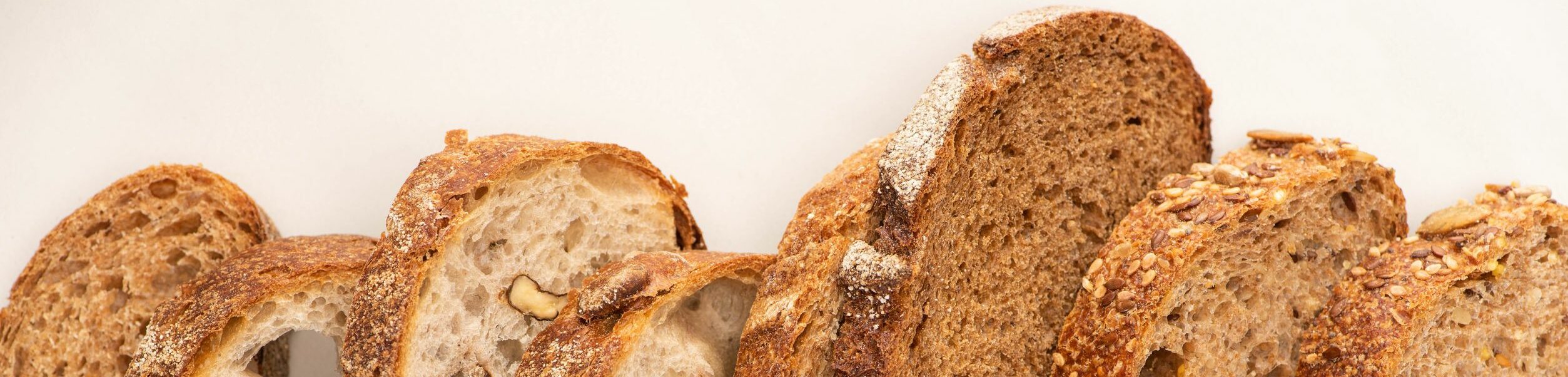
Protein, gut health, and functional ingredients are now firmly on consumers’ radar. This shift in the baking industry is driven by active lifestyles and growing interest in food that supports long-term wellbeing. The question isn’t whether to respond, it’s how to retool our production lines to capture this demand without losing the art in artisan baking.
High-Protein Becomes the Norm
Nearly half of consumers identify protein as the most important ingredient, and high-protein bakery products represent the fastest-growing segment in health-oriented baking. Solutions such as protein-enriched breads, muffins, and breakfast pastries respond to clear consumer demand for functional nutrition that fits into daily routines. However, scaling high-protein formulations comes with its own difficulties; at levels exceeding 20% protein, gluten networks disrupt, water absorption patterns shift, and the desirable crumb structure can turn dense and dry.
The breakthrough? Functional protein isolates designed specifically for bakery applications. New enzyme technologies allow us to fortify at meaningful levels, 15 to 25 grams per serving, while maintaining the volume and mouthfeel consumers expect. This is where the bread line gets interesting: we’re no longer just mixing dough; we’re engineering nutritional impact at scale.
New Tools for Better-for-You Production
For commercial bakers, the challenge has always been consistency at volume. Traditional liquid starters require feeding schedules that don’t align with modern production planning. Enter Type III powdered cultures and spray- or freeze-dried starters, which accounted for almost half of the sourdough market in 2025. These rehydrate reliably, deliver consistent fermentation profiles, and integrate directly into existing mixing schedules.
Not to mention that health-conscious consumers actively seek fiber and probiotics. This opens the door to prebiotic fibers that serve dual purposes as texture modifiers. The latest ingredient innovations enable us to improve clean-label production.
Premium Positioning, Proven Demand
Here’s where the technical meets the commercial. Health-positioned bakery products command 20-40% price premiums over conventional equivalents. Nonetheless, consumers are hungry for products that deliver functional benefits.
Studies show that most consumers choose foods based on health benefits, and protein now ranks as the fourth most searched nutritional attribute globally. When you combine protein fortification with fermentation’s digestibility benefits, you’re addressing multiple consumer priorities in a single SKU.
Practical Steps for the Production Floor
So, can you translate this into your breadline? Here are some points to consider:
- First, evaluate your premix strategy. Bakery premixes for protein enrichment are on the rise, allowing smaller operations to enter the category without dedicated R&D teams.
- Next, consider hybrid approaches. A portion of prefermented dough added to conventional mixes delivers sourdough’s benefits without retooling your entire process. Even 20% prefermented inclusion can shift the nutritional profile while adding flavor complexity.
- Last, audit your labeling. Clean-label positioning is non-negotiable these days as consumers equate “natural” with authenticity. If you’re using fermented ingredients, say so. If you’ve optimized for digestibility, make it known.
The Slice Ahead
Protein targets, fermentation protocols, and fiber content are all becoming as critical as hydration percentages and bake times. What comes next is applying your current bakery expertise to new ends. If you are looking to improve your technical knowledge, grab a copy of our Baking Bread BAKERguide, which includes top processing tips and bread formulation. Keep your bread line ahead of the curve!
Want to stay up-to-date with BAKERpedia? Sign up for our newsletter today!