
Baking Considerations for the Rise of GLP-1
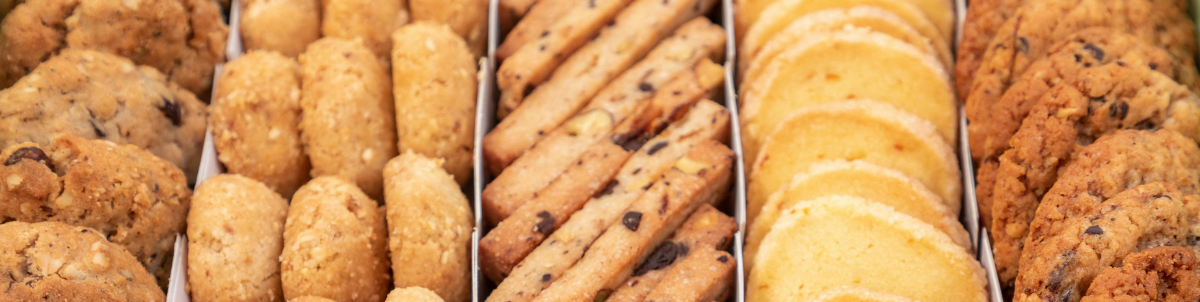
If you’ve been tracking industry trends, you’ve probably noticed a significant shift. The rise of keto-friendly, low-carb, and sugar-free baked goods is closely tied to consumer physiology and psychology, driven significantly by the widespread adoption of GLP-1 medications. For bakers, understanding this shift is vital for successfully adapting to this new landscape of desire and demand.
The GLP-1 Effect
Glucagon-like peptide-1 receptor agonists (GLP-1s) are transforming weight management. They mimic a gut hormone that slows gastric emptying, stimulates insulin release, and most notably, signals the brain to feel full. The result? Patients experience reduced appetite and, crucially, a changed relationship with food.
Overall, it’s about craving differently. The often overwhelming desire for a sugar rush diminishes. Large, dense, carbohydrate-heavy portions become unappealing, and the “food noise” that drives impulsive eating is quietened. This creates a highly intentional consumer, seeking maximal satisfaction from minimal intake. They aim to “save” their limited appetite for the most rewarding, high-quality, purpose-driven indulgences.
How Bakers Can Respond
This presents an opportunity for bakers to rise to the occasion. The old model of replacing sugar with a 1:1 substitute and labeling it “diet” no longer suffices. These consumers are savvy and have altered palates. They detect off-flavors from certain sweeteners and are dissatisfied with the gummy, dense textures often found in low-carb baking.
The technical challenge is exciting:
- Flour Re-engineering: Moving beyond almond and coconut flour, blends incorporating protein isolates (whey, soy, and pea), psyllium husk for elasticity, and specialty fibers like oat fiber or resistant wheat starch create crumb structures that rival traditional gluten-based goods. The goal is a tender, airy loft, not a dense brick.
- Sweetener Synergy: Single-system sweeteners often fall short. The key is synergy. Combining high-intensity sweeteners like sucralose or stevia with bulkier, less sweet sugar alcohols like allulose or erythritol mimics sugar’s mass, browning, and mouthfeel. Allulose specifically helps avoid the cooling aftertaste and prevents crystallization.
- Fat is Functional: With carbs reduced, fat becomes a primary carrier of flavor and texture. High-quality butter, oils, and nut butters deliver satisfying mouthfeel and rich taste, making small portions truly indulgent.
This market values precision. Consumers are counting net carbs and scrutinizing labels. Inconsistency or “hidden” carbs can instantly destroy trust.
Expert Advice for Formulating for this Trend
Navigating this new world of hydrocolloids, sugar alcohols, and protein-based doughs can feel daunting. Errors can lead to wasted investment in costly ingredients. That’s why we developed the Baking Keto Pocket Guide, to provide bakers with the essentials for this trend. It includes:
- Tested, commercial-scalable formulas for bread, cookies, and cakes that deliver on texture and taste.
- A deep dive into the functionality of alternative ingredients, explaining why they work so that you can innovate confidently.
- Troubleshooting guides for common quality issues and shelf-life extension considerations.
Consumers on this health journey haven’t lost their love for baked goods; their expectations have evolved. They are on the hunt for craftsmanship in baking more than ever, just in a new form. Start crafting the next generation of indulgent, low-carb baked goods today by embracing these innovative approaches. With the proper focus and tools, bakers can turn challenges into opportunities, ensuring their offerings meet the growing demand for healthier, delicious options.
Download the Pocket Guide now!
Want to stay up-to-date with BAKERpedia? Sign up for our newsletter today!