
Navigating FDA Deregulation in the Baking Industry
For decades, the Standard of Identity (SOI) has served as the official “recipe” for many staple food products in the U.S. Enforced by the FDA, these standards specify mandatory and optional ingredients, required components, and, in some cases, specific processing methods. In the baking industry, SOIs created a predictable landscape. Not to mention, they also provided a clear compliance framework, offering structure but also setting firm boundaries around innovation.
However, the FDA is now significantly rewriting this playbook. Concluding that many standards are obsolete and unnecessarily restrictive, the agency is in the process of revoking or proposing to revoke 52 food standards. For bakers, the most critical changes lie within 21 CFR Part 136: Bakery Products and related rules. Discover more about how this shift requires bakers’ technical attention and strategic planning.
Key Revisions Impacting Bakers
Two specific revocations will directly affect product developers, R&D teams, and commercial bakeries:
1. Milk Bread, Rolls, and Buns
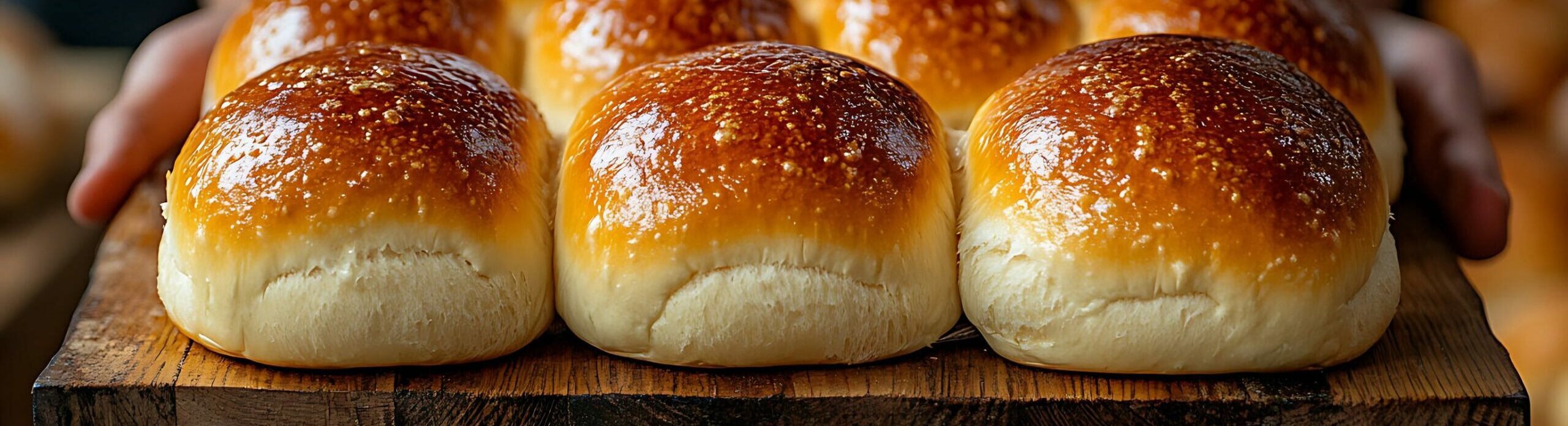
This SOI requires that milk bread, rolls, and buns contain a minimum percentage of milk or milk solids. The revocation means the term “milk bread” will no longer be federally defined. In practical terms, this means you could, hypothetically, market a product under that name without using milk or dairy-derived ingredients at all.
From a technical perspective, this creates both opportunity and risk. The opportunity lies in creating innovative products that leverage the familiar term “milk bread” while catering to modern dietary trends. For example, you might develop a “milk bread” using plant-based milk alternatives such as oat, almond, or soy. This could open up new markets for vegan, dairy-free, or lactose-intolerant customers. Additionally, ingredient cost reductions could be pursued by removing or reducing milk solids.
However, the risk is significant: consumer confusion and the potential for a “race to the bottom” in ingredient quality. Without a federally defined standard, brands could start applying the “milk bread” label to products that bear little resemblance to the traditional formulation. This could erode consumer trust. While the SOI may be gone, consumer expectations will remain. Bakers will need to ensure their formulations align with the label’s promise, or risk disappointing their customer base.
The FDA has already issued a final rule revoking both the SOI and the standard of quality for frozen cherry pie. The old standard was famously specific, mandating a minimum ratio of cherries to filling, limiting the use of certain thickeners, and specifying the weight of the finished pie. Its removal is a clear signal: the agency believes that the market (and consumer demand) should drive product composition, not entrenched federal definitions.
For bakers, this offers immense flexibility. Without the rigid constraints of the old SOI, you can now innovate with new cherry varieties, sweeteners, thickeners, and creative flavor inclusions (e.g., almond extracts, bourbon glazes, spice profiles). This deregulation allows for not only cost optimization but also product differentiation. Imagine offering a “Michigan Montmorency Cherry Pie” or a “Spiced Cherry Bourbon Tart” without worrying about violating a federal standard.
On the other hand, the absence of the SOI means the quality assurance burden shifts entirely to the baker. You no longer have a federally mandated minimum cherry content as a safety net. If competitors begin cutting corners, reducing the fruit content or lowering quality, the competitive landscape could shift rapidly. Ensuring your frozen cherry pie maintains high-quality benchmarks will become a self-defined and self-regulated process.
Strategic Implications for Bakeries
This wave of deregulation shifts us from a regime of strict compliance to a principle-based regulatory model. The onus is now on bakers to ensure that products are safe, wholesome, and truthfully labeled under the broader umbrella of the Federal Food, Drug, and Cosmetic Act (FDCA). Let’s explore the key implications:
1. Innovation Unleashed
The primary upside of deregulation is the freedom to innovate. Bakers and product developers now have more room to experiment with alternative ingredients, cater to emerging dietary trends, and optimize costs without violating a federal SOI.
For instance, you could create a dairy-free “milk bread” using oat milk and non-dairy fats, while still marketing it under the familiar name. Or you could develop a premium frozen cherry pie that features a unique blend of cherries, natural sweeteners, and a distinctive spice profile. The creative possibilities are boundless. However, this freedom also comes with heightened responsibility: alignment with consumer expectations and brand positioning will be critical. If your product’s formulation drifts too far from the traditional profile, the market, not the FDA, will be the judge.
2. Labeling and Branding as Your New SOI
In the absence of federal product definitions, your food label becomes your new Standard of Identity. Clear, transparent ingredient statements and front-of-pack messaging will be essential to build trust. For example, if your “milk bread” contains genuine dairy, consider labeling it as “Made with Real Dairy” or “Traditional Dairy Recipe” to differentiate it from dairy-free or lower-quality alternatives. Similarly, a frozen cherry pie with a high fruit content could be labeled “Made with 70% Montmorency Cherries” to highlight its superior quality.
Think of your label as both your marketing tool and your compliance shield. It’s not just about meeting FDA requirements for accuracy and transparency; it’s also about setting clear expectations for the consumer.
3. Vigilance on Quality and Internal Standards
The absence of federally mandated quality standards (such as cherry-to-filling ratios) means your internal specifications and quality control protocols will serve as the primary guardrails. Your brand’s reputation will rest on the quality standards you impose on yourself.
For instance, without the SOI for frozen cherry pie, you’ll need to define the appropriate fruit content, filling consistency, and crust texture that align with your brand promise. Regular quality audits, sensory testing, and customer feedback loops will be indispensable in maintaining product consistency.
4. Supply Chain and Supplier Communication
Deregulation introduces greater variability into the supply chain. Previously, when an SOI defined “cherry pie filling,” there was a shared industry understanding of what that meant. Now, supplier agreements and specifications must be more detailed and precise.
Ensure your supplier contracts include specific quality metrics. For example, define the exact cherry-to-syrup ratio, sweetener types, or pH levels of fillings. This level of specificity will help prevent inconsistencies and ensure your product formulations remain stable as the regulatory framework evolves.
Your Recipe for the Future
The FDA’s deregulation effort is pulling away a familiar, if sometimes restrictive, safety net. For the agile and informed baker, this represents an opportunity: the chance to test new ideas, optimize formulations, and expand market offerings without the constraints of rigid SOIs. For others, it underscores the need to double down on precise specifications, quality controls, and transparent labeling.
Stay informed about these evolving regulations and their practical implications for food safety, product development, and operations. For continued expertise, explore our technical articles, which offer detailed insights into food safety protocols, labeling strategies, and navigating shifts in FDA regulations in the baking industry. By staying ahead of these changes, bakers can seize new opportunities while maintaining customer trust and satisfaction.
Want to stay up-to-date with BAKERpedia? Sign up for our newsletter today!