
Gut Health & Probiotics Are Taking Over
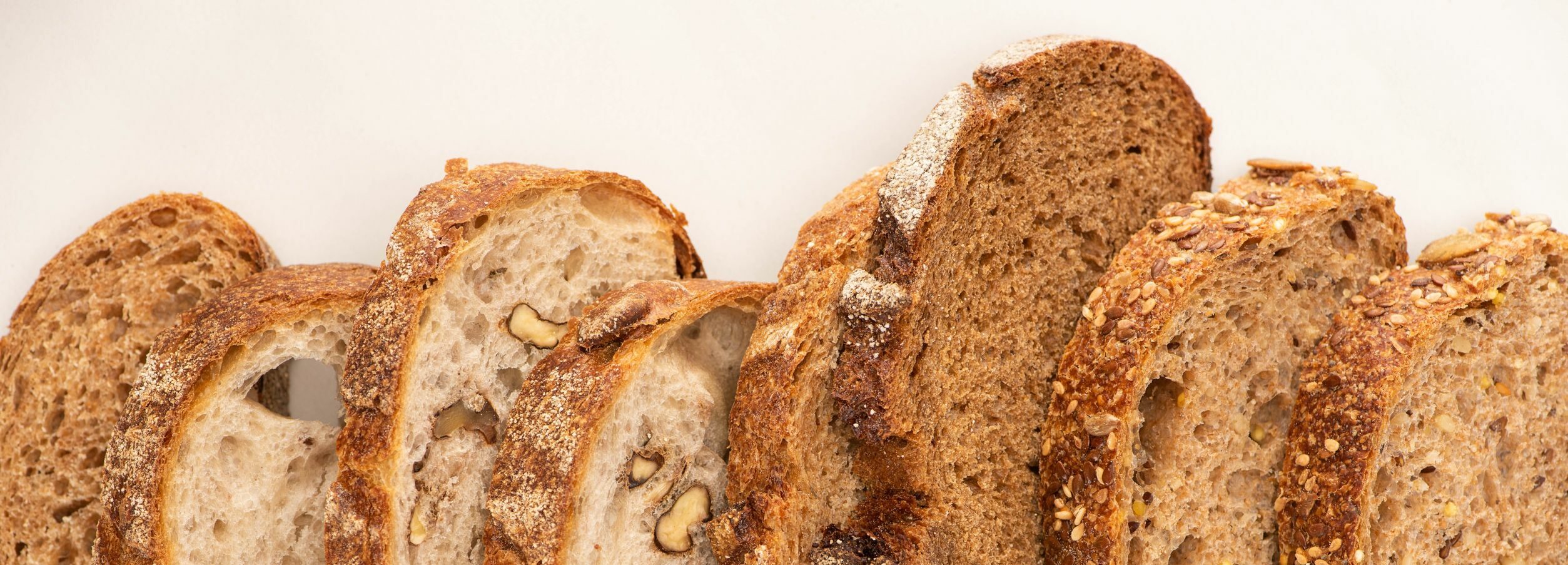
With a major shift towards better-for-you and health-conscious trends, many of today’s bakers are focused on baking up products that taste good and help you feel good, too! While indulgent goods still have their fair share of the market, more and more people are hungry for food that actively contributes to their well-being. This is where the exciting world of probiotics comes in.
From Empty Carbs to Nutrient Delivery Systems
The conversation around food has evolved. It’s no longer just about avoiding the bad, it’s about embracing the good. Gut health is one of the most powerful trends in the industry right now, and it’s reshaping the bakery aisle.
The stats are compelling. According to the 2025 USA Trend Study from HealthFocus International, 35% of consumers actively seek out foods and drinks that support gut health, up from 27% in 2020. This movement is driven by a deeper understanding of the microbiome’s role in overall wellness. Over 60% of consumers now believe gut health affects weight, physical health, and energy levels, with nearly half linking it to mood and stress. This has opened the door for baked goods to be repositioned not as “empty carbs,” but as functional foods that deliver tangible benefits.
Survival is Everything
So, how do we get these beneficial bacteria into our products? Many traditional probiotic strains, such as Lactobacillus acidophilus, are highly heat-sensitive and don’t survive the high heat of the oven. A study on probiotic viability in baked goods found that L. acidophilus experienced an average loss of 2.5 log CFU/g, with some reductions exceeding 5 log CFU/g during baking. That means for billions of bacteria you start with, you might end up with zero active cultures in the final product.
This is where cutting-edge science steps in. Microencapsulation is the game-changer for formulating with probiotics. This process involves coating the probiotic cells with a protective layer, often using materials such as sodium alginate and chitosan, to shield them from heat, moisture, and the acidic environment of the stomach. Research has shown that encapsulated probiotics can survive the baking process, maintaining counts above the therapeutic threshold of 10⁶ CFU/g in the final product.
However, it’s not just about surviving the oven. It’s also about surviving storage. The goal is to deliver a functional product that maintains its health benefits right up until the moment it’s consumed. Using spore-forming probiotics, such as Bacillus subtilis, is another promising avenue, as these strains exhibit exceptional resistance to heat and processing conditions, offering a more robust solution for commercial production.
From Tradition to Technology
Interestingly, one of the oldest baking techniques is also one of the most effective for gut health: sourdough fermentation. While not a probiotic in itself (the bacteria are killed during baking), sourdough serves as a natural source of prebiotics and postbiotics. Modern research confirms that sourdough fermentation breaks down complex fibers, making them easier for our microbiome to use. Whether using advanced encapsulation or heritage fermentation, the path forward is clear: better-for-you baked goods don’t have to compromise on taste.
The Future is Functional
The demand for functional, gut-friendly food is not slowing down any time soon. For bakers looking to lead the market, the opportunity is huge. Discover the latest techniques, ingredient solutions, and strategies for formulating gut-health goods with our Baking with Probiotics BAKERpaper. Download the technical whitepaper today!
Want to stay up-to-date with BAKERpedia? Sign up for our newsletter today!