
The Science of Staling
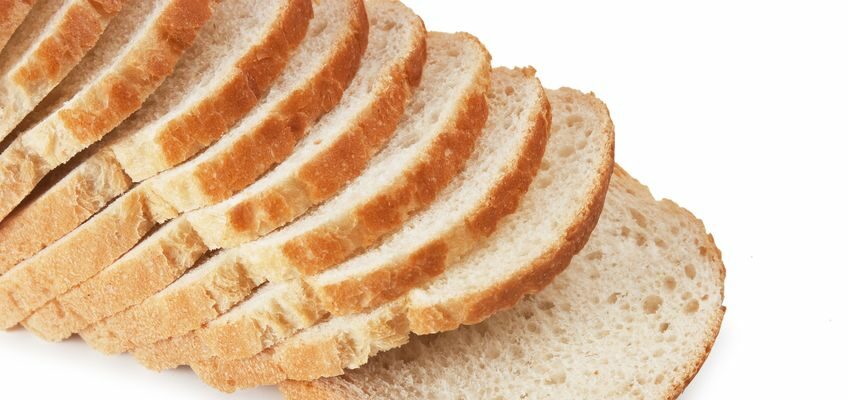
Brought to you by Enzyme Innovation
How Enzyme Technology Extends Freshness in Baked Goods
Staling is inevitable, but rapid staling is preventable. Every baked good begins to lose its fresh, soft texture the moment it leaves the oven. What starts as a tender, airy crumb can quickly become firm, dry and crumbly within a day, frustrating both bakers and consumers.
Staling is not a random or unavoidable quality loss; it results from specific molecular changes that occur in baked goods. Understanding these mechanisms allows us to control staling and significantly extend freshness with targeted enzyme solutions.
Why Staling Occurs
Staling is typically characterized by a firm, dry and crumbly texture, along with the development of off-flavors and undesirable aromas. At the molecular level, staling is primarily driven by starch retrogradation involving both amylose and amylopectin.
In the presence of heat and water during baking, starch granules swell and gelatinize, forming a continuous matrix that contributes to a soft, aerated crumb structure. However, during cooling and storage, these starch molecules begin to reassociate and recrystallize. The recrystallization process leads to crumb firming and is a primary driver of staling.
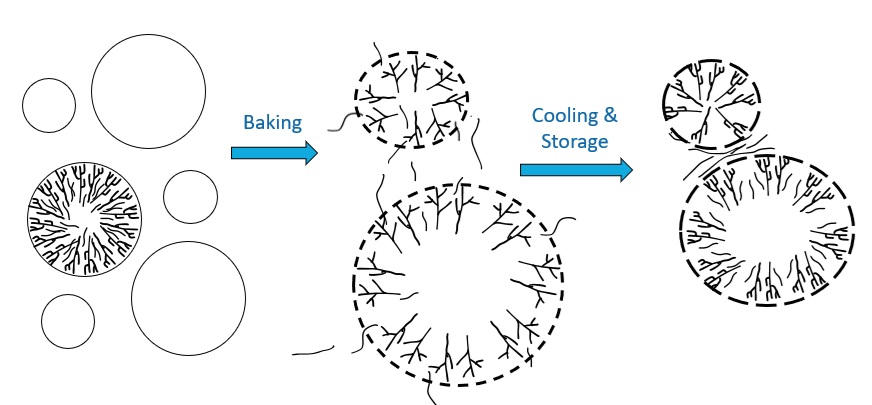
Figure 1: Starch transitions from a crystalline structure to a gelatinized state during baking, then retrogrades during cooling and storage, leading to crumb firming.
A Closer Look at the Molecules Involved
Amylose is a linear polysaccharide, while amylopectin has a highly branched, tree-like structure. In their native state, these molecules contribute to a semi-crystalline organization. During cooling and storage, they begin to reassociate and form more ordered structures, a process central to staling.
In addition to starch retrogradation, moisture migration (the movement of water within the product or between the product and its environment) also plays a critical role. For example, in French bread, moisture migrates from the crumb to the crust, causing the crust to lose its crispness and become leathery over time.
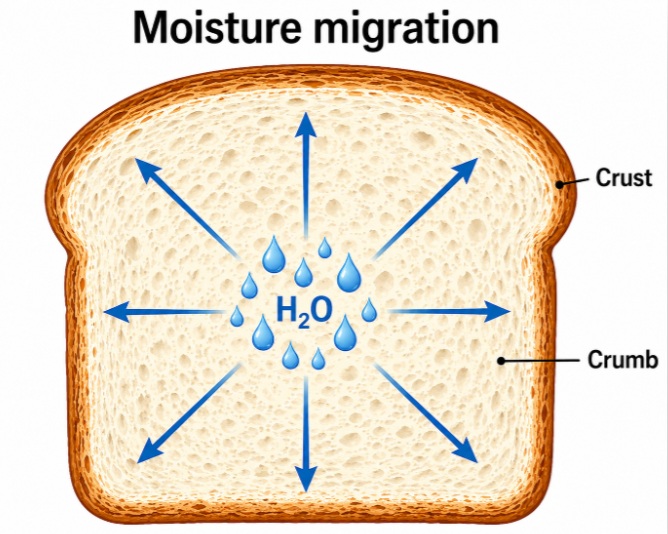
Figure 2: Moisture migration from the crumb to the crust.
How Enzymes Control Staling
Now that we understand what drives staling, let’s look at how enzymes can help control it. Enzymes are proteins that catalyze specific reactions. In baking, certain enzymes are used to slow staling and improve freshness. For example:
- Amylases act on starch to slow down retrogradation
- Phospholipases & xylanases improve dough stability and water retention by enhancing emulsification and arabinoxylan functionality
The Power of Maltogenic Amylase
One of the most widely used enzymes for freshness is maltogenic amylase. It targets α-1,4 glycosidic bonds in starch, particularly in amylopectin side chains, producing shorter dextrins and maltose. Reducing the effective chain length interferes with recrystallization during storage. As a result, starch reassociation is slowed, leading to improved softness, elasticity and moisture retention over the product’s shelf life.
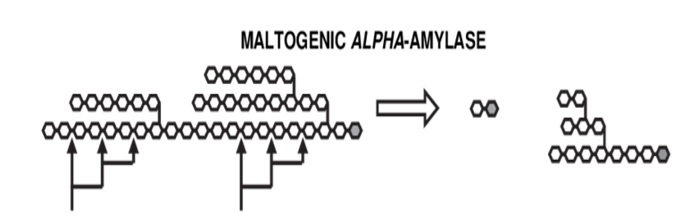
Figure 3: Maltogenic amylase shortens starch chains by cleaving α-1,4 bonds, slowing recrystallization and staling.
SEBake Fresh Ultra™ Study
So, how does the science translate into a finished product?
- SEBake Fresh Ultra™ was applied at 100 ppm and compared to a control white bread without enzymes
- All samples were processed under identical conditions and evaluated over 21 days of storage
- By day 21, the enzyme-treated bread showed approximately 60% lower firmness than the control, demonstrating a significant improvement in softness
The results highlight the effectiveness of enzyme technology by slowing staling and maintaining a fresh-like texture for an extended period.
Firmness Over Time
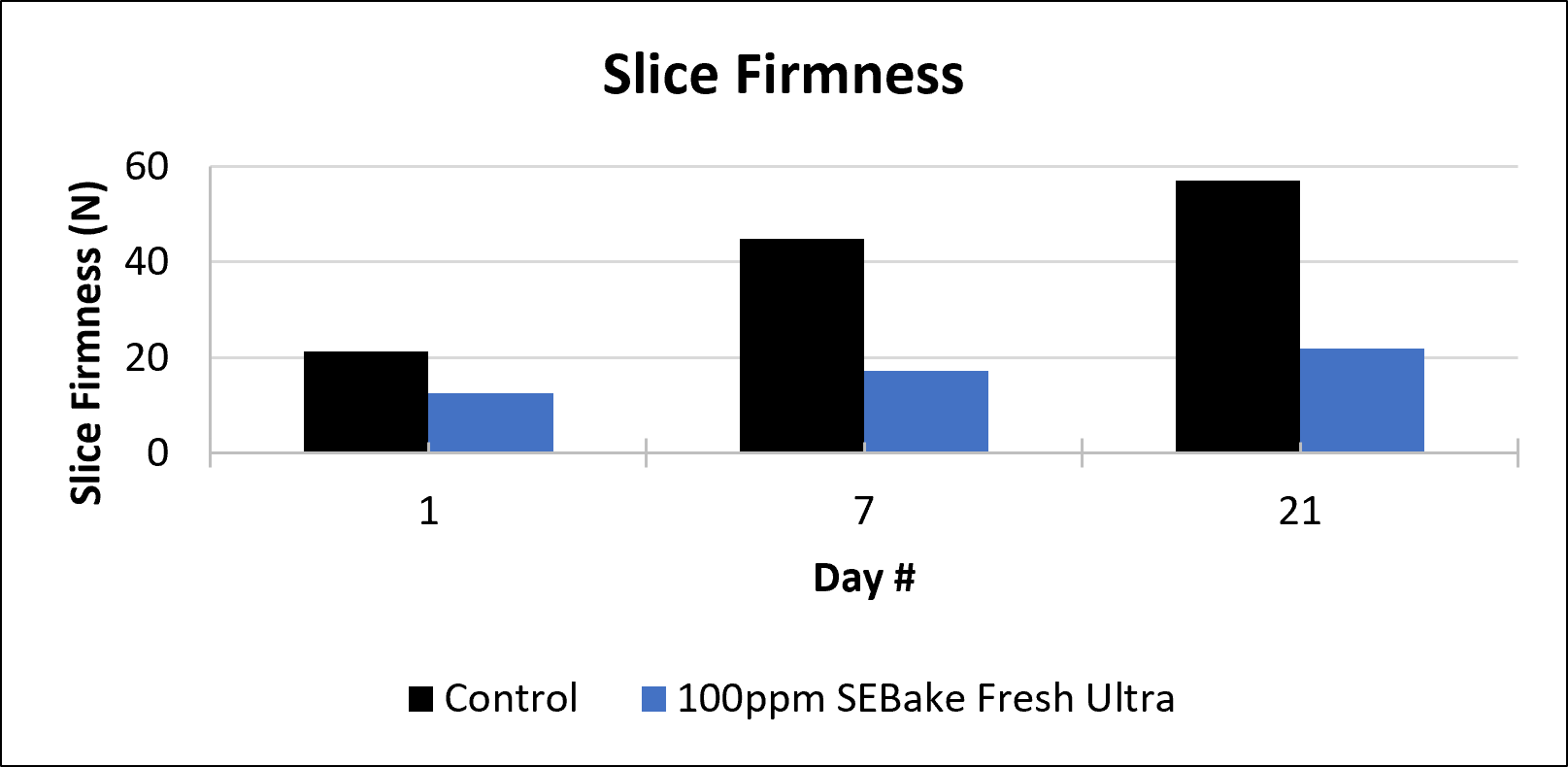
Figure 4: Slice firmness over 21 days of storage. Control bread firmness increased rapidly from day 1 to 21. Bread with SEBake Fresh Ultra™ showed a much slower increase in firmness.
Sensory Evaluation
SEBake Fresh Ultra™ samples scored higher for foldability, softness, mouthfeel and taste, indicating better overall eating quality than the control.
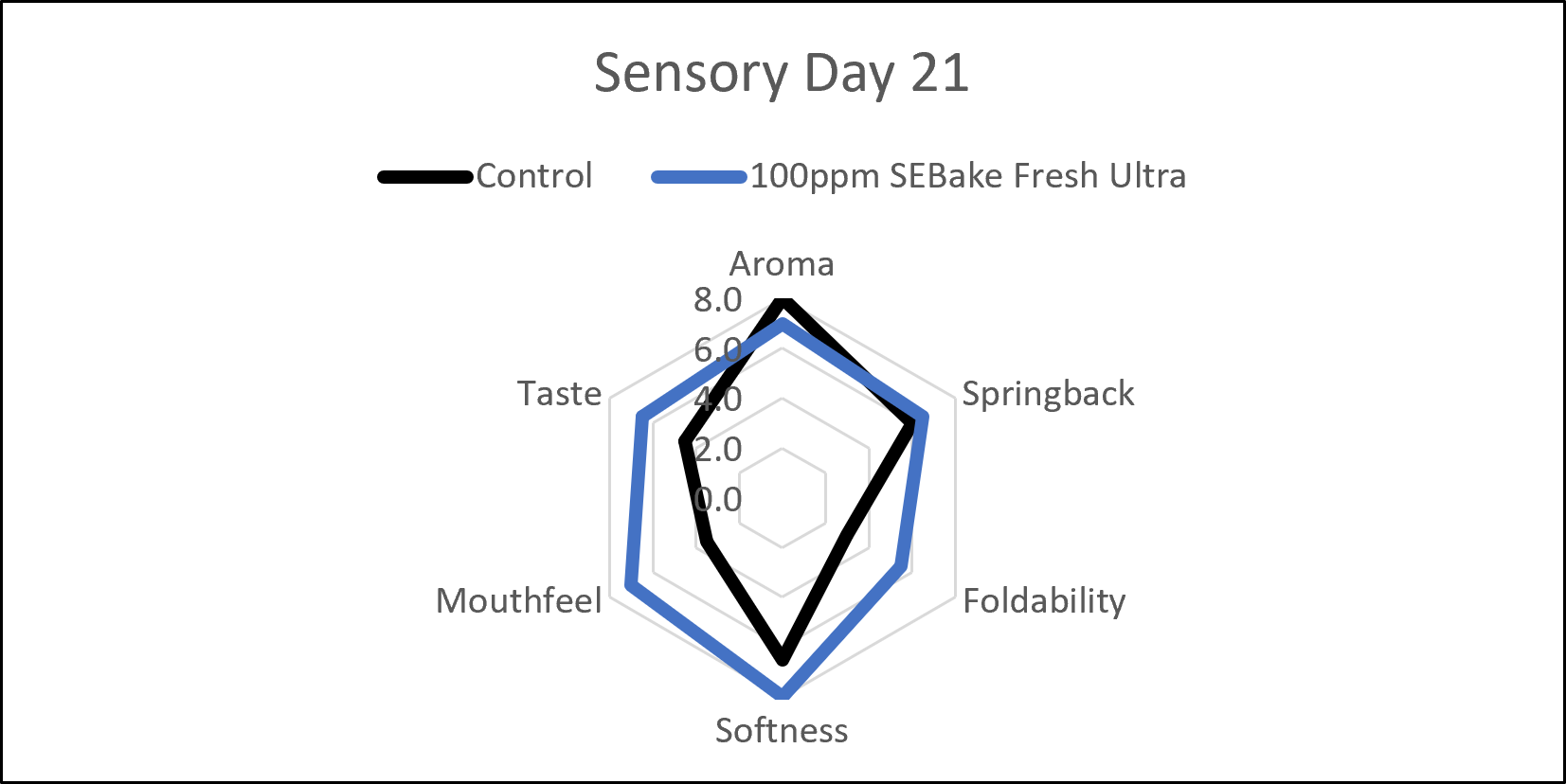
Figure 5: Sensory evaluation at day 21 showed improved foldability, softness, mouthfeel and taste in bread formulated with SEBake Fresh Ultra™ compared to the control.
Crumb Cohesion
 ‘
‘
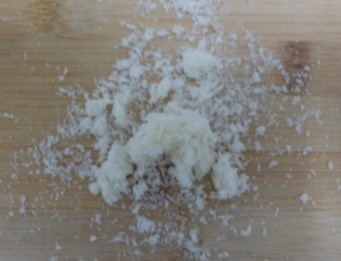
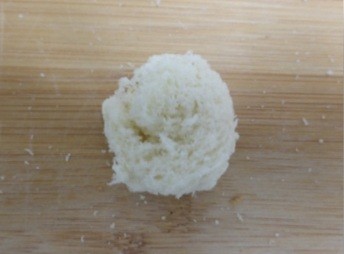
Figure 6: Control Bread Figure 7: Bread with SEBake Fresh Ultra™
Bread with SEBake Fresh Ultra™ was more cohesive, did not crumble and retain moisture through day 21.
Foldability Testing
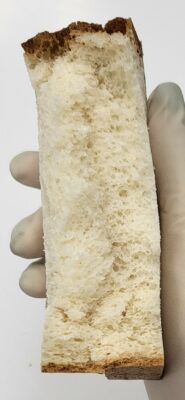
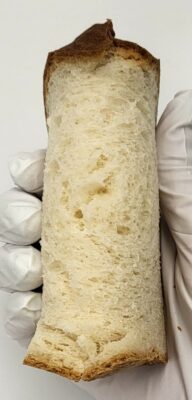
Figure 8: Control Bread Figure 9: Bread with SEBake Fresh Ultra™
During foldability testing, bread with SEBake Fresh Ultra™ maintained its shape and did not break or tear. SEBake Fresh Ultra™ improved crumb softness, elasticity and overall texture on day 14.
Turning Science into a Competitive Advantage
Staling may be inevitable, but rapid quality loss need not be. By understanding the underlying mechanisms, particularly starch retrogradation and moisture migration, we can take a more targeted approach to extending freshness. Enzymes such as maltogenic amylase play a critical role by modifying starch structure, slowing recrystallization and improving moisture retention within the crumb.
The study results clearly show that enzyme technology, such as SEBake Fresh Ultra™, can significantly improve softness, elasticity and overall eating quality throughout the product’s shelf life. Rather than accepting staling as a limitation, bakers and product developers can use these tools to maintain a fresh-like quality for longer periods.
In today’s market, where both shelf life and consumer experience are critical, leveraging enzyme solutions is not just beneficial; it is a competitive advantage.
References
- Gray, J.A., & Bemiller, J.N. (2003). Bread staling: Molecular basis and control. Comprehensive Reviews in Food Science and Food Safety, 2(1), 1–21.
- Hug-Iten, S., Escher, F., & Conde-Petit, B. (2003). Structural properties of starch in bread and their role in staling. LWT – Food Science and Technology, 36(4), 421–428.
- Goesaert, H., Brijs, K., Veraverbeke, W.S., Courtin, C.M., Gebruers, K., & Delcour, J.A. (2005). Wheat flour constituents: How they impact bread quality and staling. Journal of Cereal Science, 41(3), 221–237.
- Agriculture Institute. Bread staling process and how to slow it. Available at: https://agriculture.institute/baking-and-flour-confectionary/bread-staling-process-how-to-slow/
- FreeScience.info. How starch gelatinization impacts the texture of baked goods. Available at: https://freescience.info/how-starch-gelatinization-impacts-the-texture-of-baked-goods/
- Grain to Tables. Amylase enzyme in bread baking. Available at: https://graintotables.com/amylase-enzyme-in-bread-baking/
- Science Insights. How does amylase activity break down starch? Available at: https://scienceinsights.org/how-amylase-activity-breaks-down-starch/
- Journal of Food Science and Technology. Role of starch retrogradation in changes in food quality. Available at: https://link.springer.com/article/10.1007/s13197-025-06362-4