
Serving Up Hot Fresh Artisan Bread
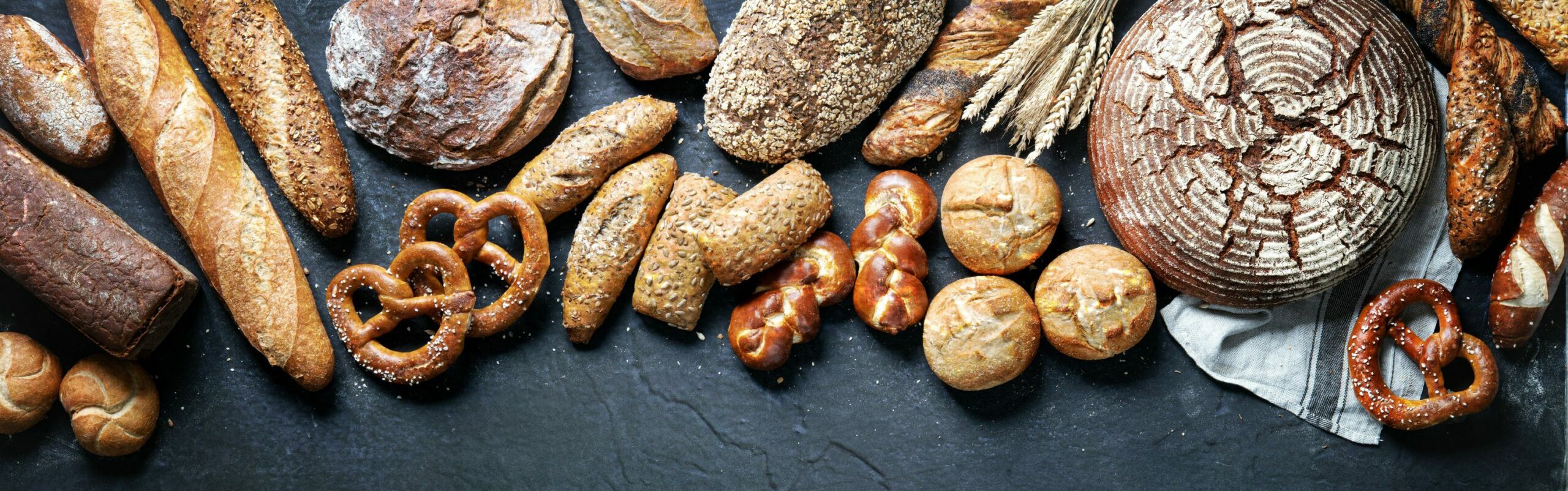
Crunchy loaves and baguettes have been stealing hearts for a lifetime. As of 2026, the artisan bread market is at a robust USD 13.51 billion valuation, and is projected to reach a crust-worthy USD 22.8 billion by 2033. That’s a CAGR of 7.8%, driven by one uncompromising demand: clean-label, high-quality ingredients.
People are hungry for transparency, and they’re voting with their wallets. So, how can you scale traditional techniques like long fermentation and natural leavening without sacrificing consistency? Join us as we explore insights from our recent Artisan Bread Production BAKERview seminar.
The Ingredient Science Behind the Crumb
While there is no standard of identity for artisan bread. This category is largely defined by what we don’t add, and how we treat what we do. Let’s take a closer look at the ingredients.
Flour
It traps gases, supports yeast activity, and participates in the Maillard reaction to produce that desirable thick, blistered crust. But protein content varies seasonally; monitor your falling number.
Water
Here’s a technical nugget often overlooked: water hardness affects dough strength. Excess calcium carbonate tightens gluten; softened water slackens it. Use tempered water (22-24°C) to control dough temperature during mixing.
Yeast
This provides leavening gases, but in artisanal production, we often blend commercial strains with wild cultures. For preferments like Poolish (100% hydration, 3-8h fermentation) or Biga (50-60% hydration, stiff and slow), yeast activity is your clock.
Salt
Beyond adding flavor, it strengthens the gluten network and improves elasticity. Add it after autolyse to avoid oxidizing your dough before gluten develops.
Vital Wheat Gluten
It adds strength, improves oven spring, and boosts machinability. At 1-2% flour weight, it transforms a sluggish dough into a confident performer.
Malt
Diastatic malt (enzyme-active) enhances fermentation and dough handling. Non-diastatic malt only contributes aroma and crust color. Don’t confuse them unless you enjoy gummy crumbs.
The Sourdough Differential
Sourdough improves flavor concentration, elasticity, and shelf life compared to yeast-only dough. The lactic and acetic acids produced during fermentation strengthen gluten *and* inhibit mold. That tang is more than just taste, it’s also preservation. Maintaining a mature starter is a biological process, not folklore. Monitor pH (3.8-4.2 ideal) and feed ratios religiously.
From Autolyse to the Oven
It’s all about the process. Here’s what a typical flowchart for artisan bread looks like:
- Ingredient preparation – Scale to 0.1% accuracy.
- Mixing – Develop gluten but avoid oxidation.
- Autolyse – Rest flour and water (20-60 min) before adding yeast and salt. Reduces mixing time, improves extensibility.
- Bulk fermentation – Monitor dough temperature (24-26°C). Stretch and fold rather than punch down.
- Dividing & pre-shaping – Minimize tearing.
- Bench rest – 10–20 min relaxes gluten.
- Final shaping – Build surface tension.
- Proofing – Time and temperature controlled; over-proofing collapses your labor.
- Scoring – Directs oven spring. Shallow cuts? Flat bread. Too deep? Collapsed ears.
- Baking – Steam injection for crust. Internal temp ≥96°C for doneness.
- Cooling – Wait 2 hours before slicing. Patience is a baker’s hidden ingredient.
Want to learn more? Watch the BAKERview here:
Quality Control for Artisan Bread
If there’s one thing people expect from artisan bread, it’s quality. Here are the metrics you need to keep an eye on to ensure you’re hitting the mark.
- pH – Target 4.5–5.5 for yeast bread; 3.8-4.2 for sourdough.
- Moisture content – 35-40% for most loaves.
- Water activity (aw) – Below 0.93 for mold prevention.
- Texture – Conduct crumb analysis.
- Color – Leverage vision inspection for uniformity.
Start Crafting Your Next Loaf
You definitely can teach an “old dough” new tricks! Here’s to delivering predictable, high-quality artisan loaves at scale. Ready to proof your expertise further? Don’t let your learning go stale. Check out our Baking Artisan Bread BAKERguide for expert advice on ingredients, processing, and much more! Download the guide today!
Want to stay up-to-date with BAKERpedia? Sign up for our newsletter today!