
Oats are Rewriting Clean Label Rules
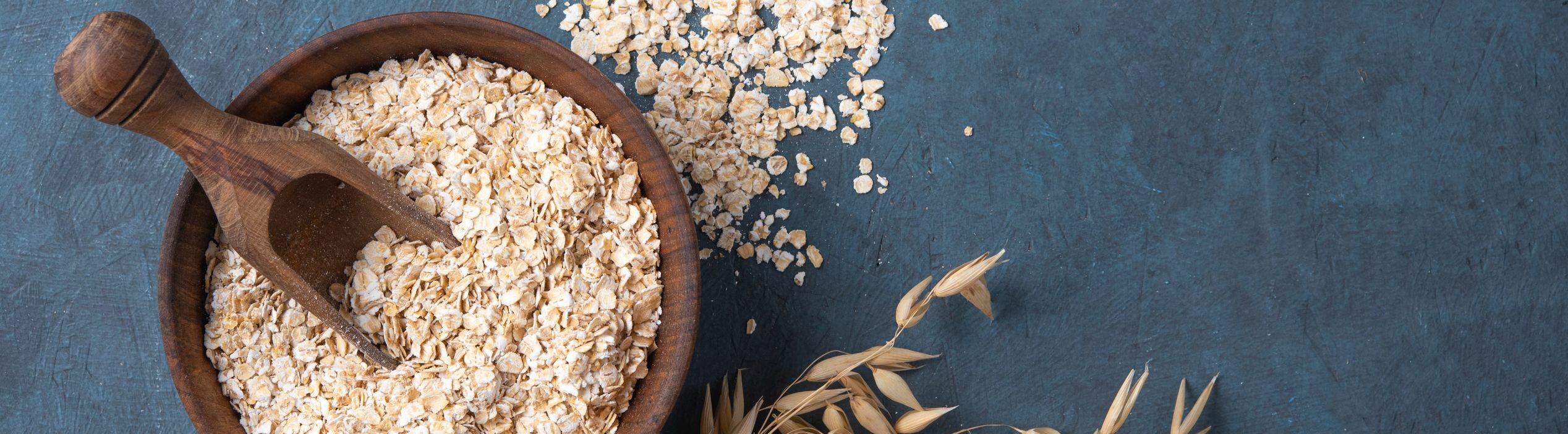
Oats have moved beyond the breakfast bowl. In recent years, we’ve been seeing oat fractions outperform traditional hydrocolloids, reshape crumb structure, and deliver a “healthy halo” without screaming diet food. The best way to get the most out of these cereal grains is to understand oat flour, colloidal oats, and oat hull fiber as technical tools.
The Trio of Tectonic Oat Ingredients
Oat-based ingredients come in a variety of forms. Here are a few of the most popular:
Colloidal Oat Flour
This is where rheology gets sexy. Colloidal oat flour is micronized (particle size <40 µm) and often cold-water dispersible. It mimics fat in short doughs and contributes to creamy textures in no-added-fat batters. The beta-glucan here forms a weak gel network, improving sliceability in gluten-free sandwich breads. Because of its high surface area, colloidal oats can bind up to 4× their weight in water. But, overhydration leads to gumminess. Monitor water activity (target 0.94-0.96) and adjust enzymes like amylase to manage the set time.
Rolled Oats
Unlike powdered oat fractions, rolled oats retain their cellular integrity. They are steamed, flattened, and dried to 8–10% moisture. Rolled oats don’t dissolve into the matrix; instead, they act as discrete hydrated inclusions that mechanically weaken gluten continuity. Expect reduced chewiness (by 15-20% in high-protein doughs) and improved tearability in bagels, flatbreads, and frozen par-baked goods. Bakers can use them at 10–15% of the total flour weight. However, beyond 20%, dough handling becomes erratic as flakes tear, developing gluten strands.
Oat Hull Fiber
Oat hulls (the fibrous outer layer) are milled to 100-300 µm insoluble fiber. That means they don’t contribute viscosity when added to your application. At 2-5% flour weight, oat hull fiber reduces proofing time by absorbing excess free water, which concentrates dough sugars and accelerates yeast metabolism. It also reduces oil migration in laminated pastries. Want to cut fat by 15% in a muffin? Try replacing shortening with oat hull fiber and water.
A Love of Oats
The clean label trend is still going strong. Over half of all global consumers associate oats with heart health, mainly due to FDA-qualified beta-glucan claims. But today’s buyers want more than whole grains; they want functional fiber. Oat hull fiber delivers insoluble fiber that passes through to the lower gut, supporting digestive health. Combined with colloidal oats’ smooth texture, you may be able to market “gut-friendly” products without artificial binders. However, you should always check with a consultant.
How to Keep Your Oats in a Row
Here are a few considerations when formulating with oats.
- Enzyme interference: Oat lipids are high in lipase (even after steaming). Unless heat-treated (≥90°C for 5 min), your bread risks rancidity within 4 weeks. Request lipase activity <0.5 units/g from suppliers.
- Water redistribution: Oat flour and colloidal oats compete with starch for water. Use farinograph trials to adjust: each 5% oat flour addition = +1.2% water.
- Dough development: Autolyse for 20 minutes with oat flour before adding yeast. This hydrates beta-glucan, reducing mixing torque by 18–22%.
Ready to Get Your Baked Goods in Gear?
You’ve seen how oat hull fiber can tighten crumb, reduce fat, and speed up proofing. But deploying it at scale means understanding the science behind it all. The Oat Hull Fiber & Fat Reduction BAKERpaper covers processing tips and advice for baking with oat hull fiber. Download the technical paper now!
Want to stay up-to-date with BAKERpedia? Sign up for our newsletter today!