
Raising the Bar in Cake Production
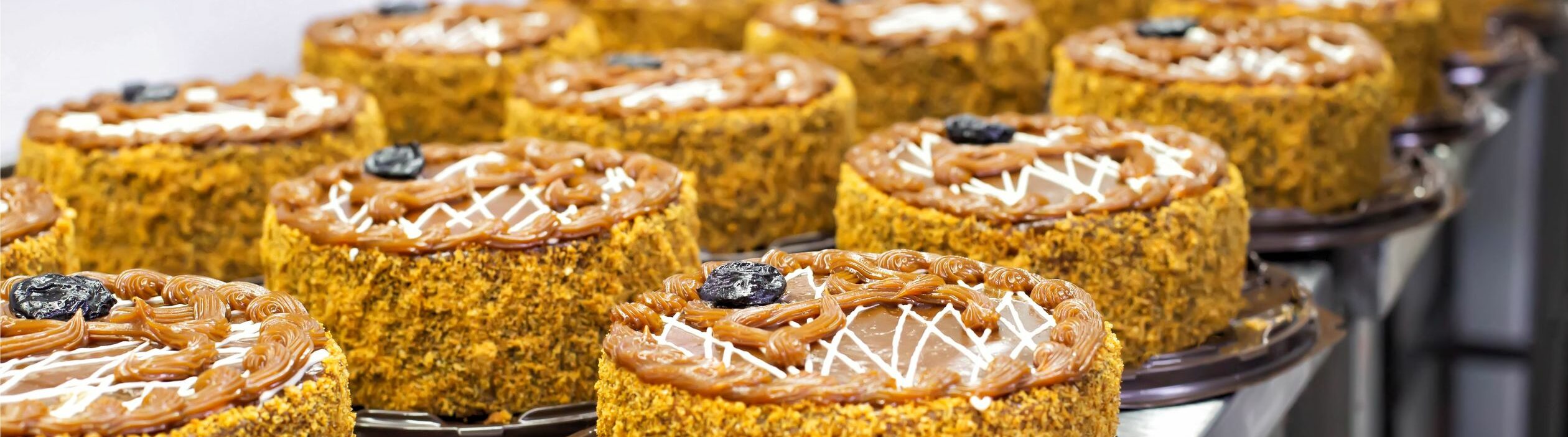
Everybody loves cake! But inside every delicious slice, bakers know that there’s a whole network of chemical levers, thermal reactions, and structural engineering. Achieving that perfect balance between a moist interior and a shelf-stable exterior can sometimes be a challenge. However, there is a science to mastering cake quality. Discover the technical parameters that separate an average cake from a showstopper.
How pH Influences Flavor and Structure
Batter pH is running the show in your leavening system. Most classic cakes sit between 6.0 and 7.0 pH, but small shifts cause big waves. A lower pH (more acidic) slows the activity of chemical leavening agents like baking soda, reducing gas production. Too high, and you risk over-browning, a coarse grain, and even a soapy taste.
Higher pH also supercharges the Maillard reaction, giving you that deep, nutty crust color. But beware, above 7.5, gluten becomes overly tender (read: mushy). And post-bake, a higher pH invites mold to the party. So, if you want a cake that stays safe and sensational, dial in that pH like a seasoned pro.
Moisture Content vs. Water Activity
If you didn’t already know this, moisture content (total water) is crucial for mouthfeel. Think of water activity (aw) as your shelf-life crystal ball. A cake can be 30% moisture yet have high aw, inviting microbial spoilage within days. Conversely, lower aw (below 0.85) inhibits mold but can accelerate staling.
You can measure moisture via spectroscopy for non-destructive inline checks. For aw, you can use a water activity meter. Furthermore, you can adjust humectants like glycerin or clean-label alternatives (fruit juice concentrates, honey) to lower water activity without drying out the bite.
Mastering the Perfect Cake Texture
Cake baking pros think in terms of hardness, springiness, cohesiveness, and resilience. Hardness is the force to compress; springiness is how well it bounces back. Cohesiveness is the internal bond in a cake, and if it’s too low, the cake can start to crumble.
Bakers often use manual tests, but these formats are not objective. The best thing you can do is employ Texture Profile Analysis (TPA). For inclusion-heavy batters (e.g., chunks of chocolate or fruit), adjust emulsifiers, such as monoglycerides, to prevent sinking. And remember: overmixing can kill resilience, so don’t overdo it!
Where Volume Meets Structure
Low volume often results in dense cakes. High volume with large, uneven cells leads to over-leavening and tunnels. Using vision inspection can help measure cell count, diameter, and elongation. A perfect cake crumb looks like a uniform honeycomb, not a cavernous sponge.
Color is also very important, and influences consumers more than you’d realize. If your cake is too pale, your Maillard reaction never got started. On the other hand, if it’s too dark, it’s possible that pH or sugar levels are off.
Clean Label Shelf Life Considerations
If you want to maintain a clean label and extend shelf life without artificial preservatives, start by reviewing your process. Focus on sanitation, water activity control, emulsifiers, and packaging. Then, for added support look into enzymes, as they help retain moisture naturally. For inclusions, consider pre-coating dried fruit with rice flour to stop moisture migration.
Also, remember that processing conditions matter! Bear in mind batter temperature (ideal 18–22°C), mixing time (low speed, scrape down), and baking gradient (high initial heat for spring, lower finish for even domes).
Get Baking
Consumers are hungry for cakes that are soft, delicious, and clean-label, too! If you are searching for more expert advice on producing consistent and high-quality cakes, get the Cake Quality & Evaluation BAKERpaper! This technical white paper is packed with processing advice, troubleshooting tips, and even ingredient recommendations for shelf-life extension. Because life’s too short for mediocre cake. Let’s bake smarter, not harder!
Want to stay up-to-date with BAKERpedia? Sign up for our newsletter today!