
How Carbohydrate Science Can Save Your Crumb
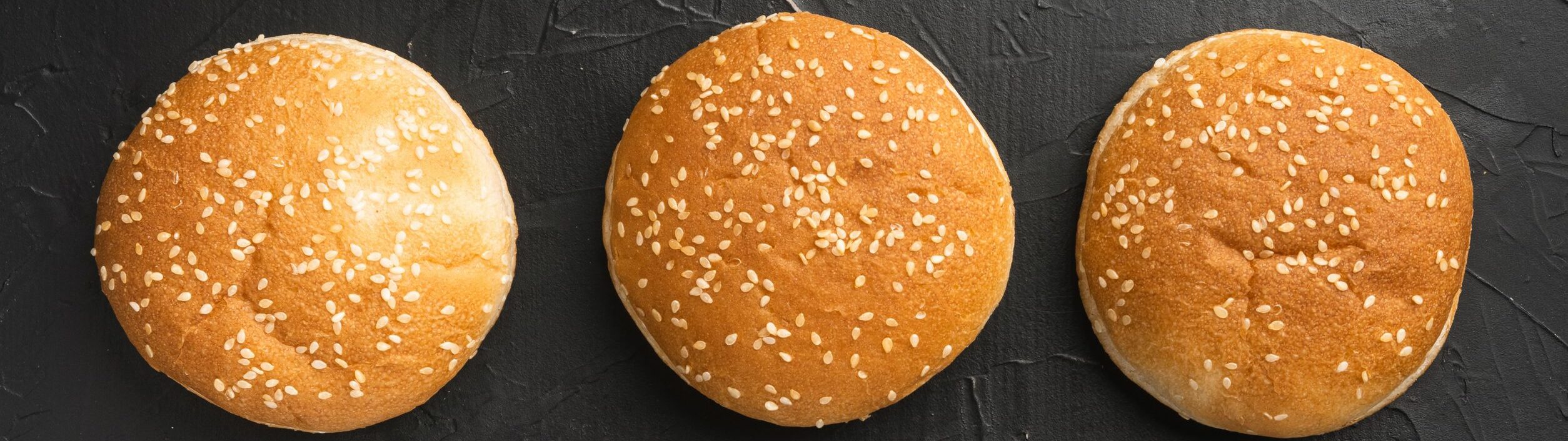
Bakers chase the perfect crumb structure the way a sourdough starter chases a warm corner of the bakery. Still, one of the most underutilized levers in our control panel is starch gelatinization. This quiet, irreversible transformation that happens deep inside your oven and determines whether your bread stays supple for days or crumbles into a sad, stale mess by Tuesday morning. Discover how this process can help you improve the quality and shelf-life of your bakery products.
What Actually Happens During Starch Gelatinization?
Starch makes up to 75% of wheat flour. In its raw state, starch granules are semi-crystalline, tightly packed, and about as functional as a bench scraper with no handle. When you add water and heat, something magical (and irreversible) occurs.
Between 140-158°F (60-70°C) , granules begin to swell, absorb water, and lose their crystalline order. Under a polarized light microscope, native starch shows a distinctive “Maltese cross” pattern. You can tell it has reached gelatinization once that cross disappears. The granule becomes amorphous and swells to several times its original size. Amylose starts leaching out at 158°F (70°C), followed by amylopectin at 194°F (90°C). Essentially, your starch finally stops being shy and starts doing its job.
Why This Matters for Texture and Staling
What does that mean for bakers? Well, proper gelatinization locks up free water inside the starch gel network. That water is no longer available to migrate to the crust or evaporate during cooling. The result is a moist, resilient crumb that springs back when pressed, not a dense, gummy brick.
Of course, timing is everything. In bread, gelatinization should occur for roughly 60% of total bake time. Run too hot and fast, and you’ll gelatinize too early, trapping insufficient water. On the other hand, baking too slowly and coolly can lead to an inadequate bake-out leaving excess moisture, leading to a gummy texture, and longer cooling times. This second scenario is a playground for microbial spoilage.
Also, we can’t forget to mention staling. It’s important to bear in mind that it isn’t just about moisture loss. In reality, it’s about starch retrogradation and the slow re-crystallization of amylopectin after baking. Proper, thorough gelatinization during baking delays this process significantly.
Know Your Oven, Know Your Crumb
You cannot manage what you do not measure. Therefore, running a thermal profile on your product, and tracking internal temperature changes throughout the bake, is non-negotiable for consistent quality. Excessive moisture loss yields dry, crumbly products that stale fast. Insufficient bake yields a gummy, unstable interior.
The sweet spot is a fully gelatinized starch matrix that holds water hostage, resists retro gradation, and gives you days of extra shelf life without chemical crutches.
Extend Your Shelf Life Without Cutting Corners
Now that you’ve got a better understanding of starch gelatinization, it’s time to put the science to work in your bakery applications. Take a deep dive into practical strategies for extending shelf life with the Baking Shelf-Stable Products BAKERguide. Craft bread that stays fresh longer, and enjoy fewer day-old returns. Keep baking smarter and may your gelatinization always be right on time!
Want to stay up-to-date with BAKERpedia? Sign up for our newsletter today!