
Optimizing Your Bake for Maximum Shelf Life
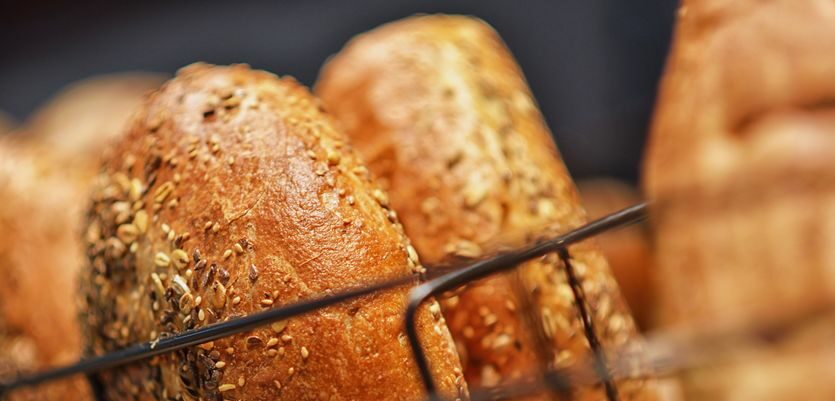
Bakers spend a lot of time crafting products with perfect texture, flavor, and appearance. Yet all that work can unravel within days if baked goods stale or spoil prematurely. The secret to extending shelf life doesn’t start after baking. By optimizing your baking process, you can produce goods that stay fresher longer, reduce waste, and keep customers coming back for more.
Getting the Heat Right
Baking temperature and time aren’t just about doneness, they help with moisture management, as well. If your oven runs too hot, products lose moisture too quickly, becoming dry and crumbly. Too cool, and you risk undercooked centers and uneven moisture distribution, which accelerate staling. Finding that sweet spot ensures thorough cooking while preserving the internal moisture that keeps crumb structure intact and delays the staling process.
Mastering the Internal S-Curve Profile
One of the most powerful techniques for shelf-life extension is following the internal S-curve profile. This approach ensures uniform heat distribution throughout your baked goods, leading to better moisture retention and reduced staling.
Think of the S-curve as your roadmap to freshness. It helps prevent the extremes that sabotage shelf life: overbaking, which dries out your product, and underbaking, which leaves it vulnerable to rapid staling or microbial growth. Products baked along a proper S-curve stay softer longer and resist the textural deterioration that causes quality to decline.
Sanitation As the Secret Weapon
Here’s where optimization meets vigilance. Even with perfect baking parameters, microbial spoilage can derail your shelf-life goals. Two of the most notorious culprits are mold and rope spoilage.
Rope spoilage is particularly insidious. Caused by spore-forming bacteria like Bacillus subtilis, these spores survive baking temperatures and lie dormant in the crumb. When conditions are warm and humid post-bake, they germinate, producing enzymes that break down starches and proteins. This results in a sticky, stringy texture and a distinctive fruity or musty odor. The solution starts with rigorous sanitation throughout your facility:
- Equipment Hygiene: Spores cling to fats and oils on mixers, troughs, dividers, and coolers. Standard detergents won’t crack the spore coat. Implement a rotation of chlorinated or peracetic-acid-based sanitizers on all contact surfaces.
- Cooling Protocol: Your cooling tunnel or rack room must be a low-humidity, high-airflow zone. Aim to drop loaf core temperature from 200°F to below 80°F in under 2.5 hours. Slow cooling invites rope development.
- pH Management: Lowering the final pH of your bread below 5.0 creates a chemical barrier against spore germination. Consider cultured whey, vinegar, or fermentation-based solutions.
Research consistently shows that such preventative measures, combined with process optimization, significantly extend shelf life by preventing both mold growth and rope development.
Bringing It All Together
Optimizing your baking process means mastering the interplay between time, temperature, moisture retention, and sanitation. When bakers get these factors right, they can engineer freshness from the inside out. For more expert advice and technical strategies for extending shelf life, check out our Baking Shelf Stable Products BAKERguide. From ingredient solutions to packaging, it can help guide you through the process of extending the freshness of your baked goods. Download the Guide now!
Want to stay up-to-date with BAKERpedia? Sign up for our newsletter today!