
Top Trends in Pizza Production
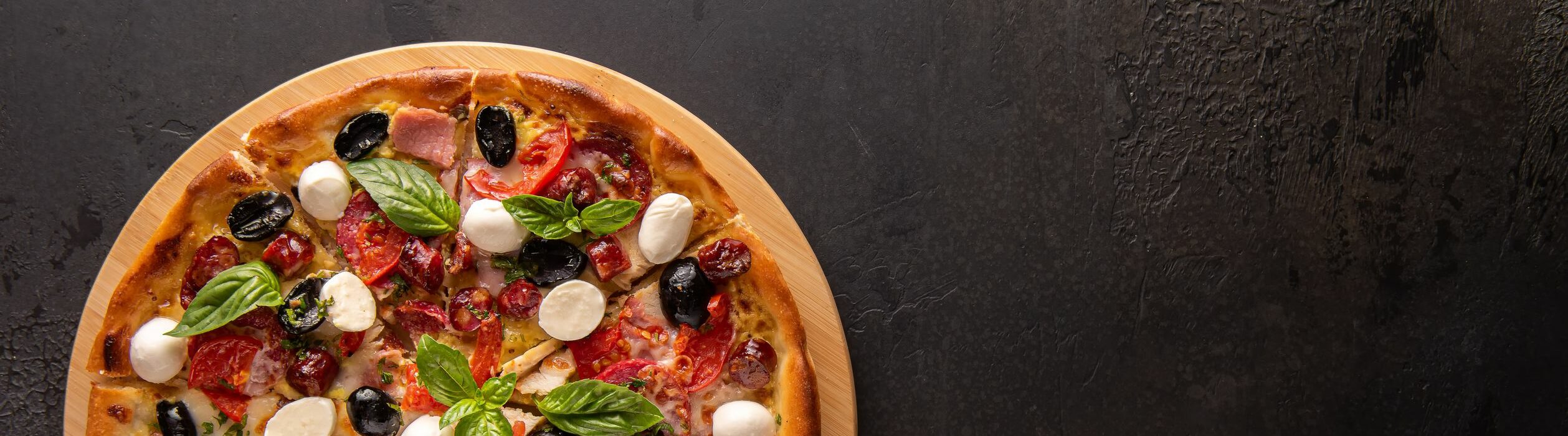
Pizzas these days are extra, to say the least! “Pepperoni or plain” has been left in the dust by the modern pizza game. The current pizza landscape is championing new, exciting flavors and traditional textures to craft pies that are quite the delicious surprise! Take a bite out of the latest pizza trends with us!
Spicing Up Your Pizza Pies
For today’s pizza lovers, “spicy” now means layered capsaicin complexity, not a dash of red pepper flakes. Over the last four years, appearances of Calabrian chili on menus have doubled. Why? Its fruity, fermented tang delivers slow-build heat without dominating the cheese matrix. Pair it with hot honey, which is still a popular topping, and you get a sweet-heat gradient that retains moisture during high-temp baking.
On the meat side, ’nduja (spreadable, spicy Calabrian salami) and chorizo are no longer just gourmet accents. They’re becoming popular proteins, releasing paprika-infused oil into the sauce layer. When it comes to baking, it’s important to bear in mind that these fats can soften the dough structure if not balanced with proper gluten development. As a result, we recommend adjusting hydration down 2-3% when ‘nduja is a top-tier ingredient.
Engineering Umami Bombs
The meaty madness doesn’t stop there! In fact, some would say that the “Meat Lover’s” reboot is here! Think triple Pepperoni stacks cup-and-char (high-fat, edge-frizzing) with chili-infused pepperoni and crispy, lacy edges. Yum! Then there’s brisket: slow-smoked, then cold-diced for even distribution. Unlike ground beef, brisket retains its bite throughout baking cycles. Pre-cook the brisket to 165°F internal temperature, then shock-chill to prevent any liquid from seeping into the dough.
Detroit & Roman Take the Oven
Detroit-style pizza is the #1 trend to watch, and for good reason. The high-hydration (75-80%) dough, baked in seasoned steel pans, creates a fried cheese frico crust that’s pure texture contrast. A pro tip for production is to use a brick cheese blend (like Wisconsin white cheddar and low-moisture mozzarella) to achieve that caramelized edge.
But don’t sleep on airy Roman-style, otherwise known as pizza al taglio. Its growth is driven by digestibility. This can be attributed to the fact that a 48-72 hour cold fermentation yields a highly aerated crumb with lower FODMAP potential. For consumers who feel weighed down by Neapolitan pizza crust, this is salvation. Target a final crust thickness of 1.5-2 cm with an open-cell structure.
Beyond Traditional Flour
Sourdough is becoming a mainstay in pizza production. On a commercial scale, a 20% prefermented flour poolish adds organic acids that strengthen gluten and extend shelf life by 2-3 days. Meanwhile, protein-added (whey or vital wheat gluten, 4-6% of flour weight) and low-carb (almond/cauliflower blends) crusts are driving freezer-case sales. And yes, puff pastry bases are trending! They require lamination sheeters, not mixers. If you are considering adopting this process in your bakery, we recommend contacting a consultant.
Why Production Fundamentals Still Rule
None of these trends work without understanding dough temperature control, proofing windows, and oven spring physics. A triple-pepperoni pie with a brittle crust will feel like meat on a cracker. That means you need to respect your preferences. Monitor your water hardness (ideal: 100-150 ppm). And never assume a trendy topping will forgive a weak bake.
Hungry for a Pizz’ of The Pie?
So, now you know all about the latest trends in pizza production. You’ve got the heat, the meats, and the crust innovations, and the time has arrived to dial in your process. Get expert advice on pizza production in our Baking Pizza & Flatbread BAKERguide. Download the Pocket Guide today!
Want to stay up-to-date with BAKERpedia? Sign up for our newsletter today!