
Preventing Rope Spoilage Before It Unravels Your Batch
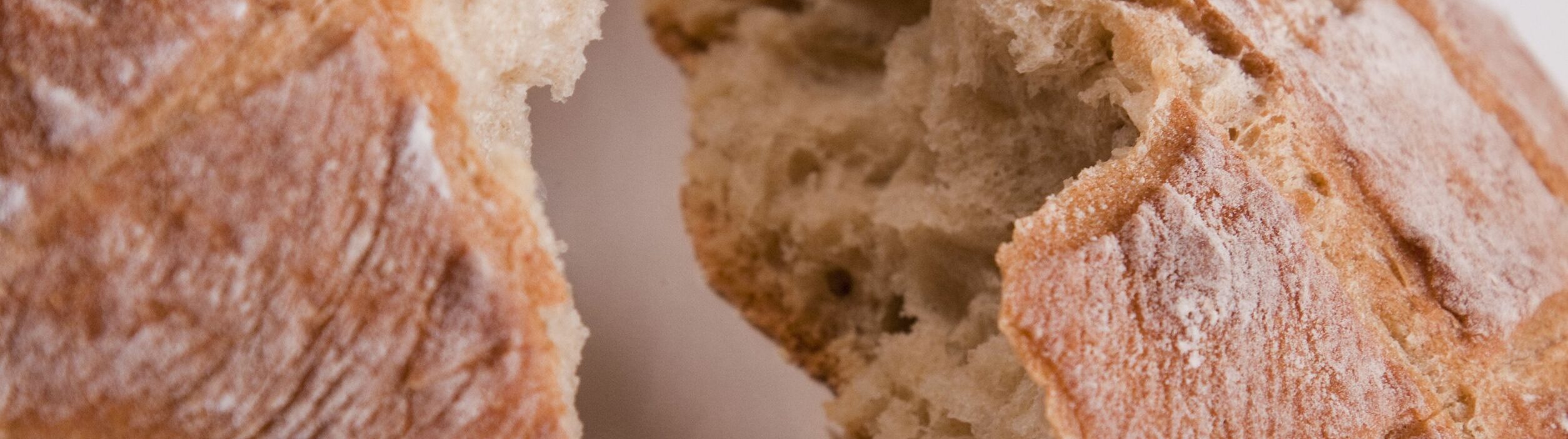
Nothing deflates a baker’s spirit, or a bakery’s profit margin, quite like slicing into a perfect loaf only to find a sticky and stinky mess inside. You’ve nailed the crust, the crumb is a dream, but the center tastes like overripe cantaloupe. That, my friends, is rope spoilage. Mold is the obvious enemy for bakers. But rope is much sneakier. It doesn’t announce itself on the crust. It hides in the crumb, waiting to turn your wholesome bread into a stringy, foul-smelling liability. Discover how this spoilage forms and how to eliminate it from your process for good.
What Exactly Is Rope Spoilage?
Technically, rope spoilage is a quality defect driven by microbial activity. However, it’s not just any microbe! We’re talking about spore-forming bacilli, primarily Bacillus subtilis and Bacillus licheniformis. It’s important to know that these spores are thermophilic. They laugh at your oven’s 400°F (204°C). While baking kills vegetative cells in the kill step, the spores survive the heat and remain dormant in the crumb.
The trouble starts after baking. As your loaves cool and sit in warm, humid conditions (hello, summer shipping or a slow retail shelf), the spores germinate. The bacteria digest the starch and proteins, producing enzymes that break down the crumb structure. You’ll first notice a fruity, musty odor, then a sticky, stringy texture when you pull apart two slices. Finally, the crumb discolors to a brownish-yellow. By then, it’s too late.
How Rope Forms
Rope doesn’t appear from thin air. It comes from contaminated raw materials (such as flour, yeast, or even dust in your facility). Here is the progression:
- Inoculation: Spores enter your mixer via flour or airborne dust.
- Survival: They sail through mixing, make-up, proofing, and baking unscathed.
- Activation: Post-bake, in the “danger zone” of 85–105°F (29–40°C) with high humidity, they germinate.
- Spoilage: Within 24-48 hours, bacterial growth peaks. The bread becomes ropey.
We’ve all had that one batch we thought was fine at 6 a.m., only to pull it at noon and feel our stomachs drop. Here’s how you can keep that from happening.
A Sanitation-First Strategy
Unfortunately, you can’t bake your way out of this problem. Once spores are in the flour, heat is useless. The solution is a cold, hard look at your sanitation and Good Manufacturing Practices (GMPs).
- Chlorinated Wash for Your Equipment
Standard detergents won’t crack the spore coat. Implement a rotating sanitation schedule using chlorinated or peracetic acid-based sanitizers on mixers, troughs, dividers, and coolers. Spores are hydrophobic; they cling to fats and oils on equipment. Scrub then sanitize. - Control the Cooling Envelope
This is where most bakers slip. Your cooling tunnel or rack room must be a low-humidity, high-airflow zone. Drop the loaf core temperature from 200°F to below 80°F in under 2.5 hours. Slow cooling is an invitation for rope to party. - Acidify the Defense
Lower the final pH of your bread. Spores struggle to germinate below pH 5.0. Use cultured whey, vinegar, or fermentation-based clean label solutions. This is not about masking flavor; it’s about building a chemical firewall. - Incoming Flour Audits
Don’t assume your flour is sterile. It isn’t. Plate count your flour for Bacillus spores quarterly. If counts exceed 10^3 CFU/g, reject the lot or bake it into rolls you freeze immediately.
The Final Proof
Rope spoilage is preventable, but only if you stop treating sanitation as a chore and start treating it as a process control variable. Are you ready to troubleshoot like a pro? Don’t let rope or other defects unravel your hard work. Simplify your process with advice from our Clean Label Bread Production BAKERpaper. It’s packed with technical tips, ingredient solutions, and expert advice that keep your bread clean, safe, and profitable. Download your copy today!
Want to stay up-to-date with BAKERpedia? Sign up for our newsletter today!