
How to Improve Dough Quality Using the Mixolab
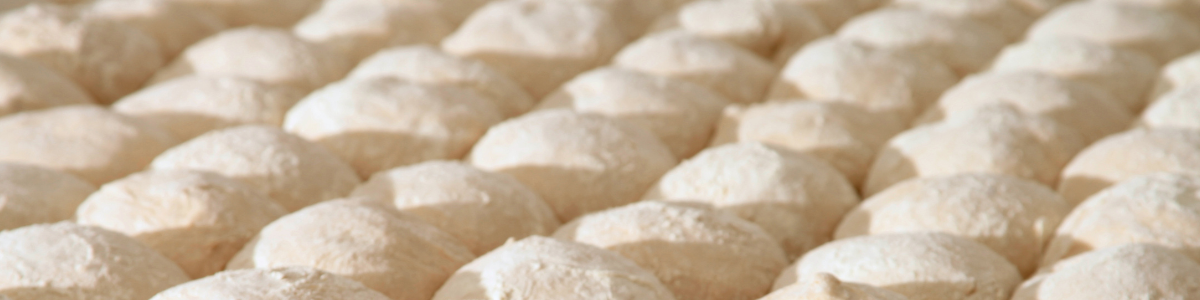
Dough is the foundation of everything bakers create, from crusty artisan loaves to tender brioche to perfectly structured sandwich bread. However, achieving consistent dough quality requires precision. That’s where the Mixolab 300 comes in! This piece of bakery equipment from KPM Analytics eliminates the guesswork in dough testing, enabling bakers to optimize formulations, reduce waste, and increase yield. Join us as we explore the uses for this machine, alongside insights from our recent From Expertise to Data: Securing Dough Quality in a Changing Industry BAKERview.
Why Dough Quality Matters (Beyond Just “Feel”)
Every baker has relied on the “windowpane test” or a quick finger poke to assess dough development. But subjective methods leave room for error, especially when scaling production or working with variable ingredients. Poor dough quality leads to:
- Inconsistent product texture, which can lead to dense crumb as well as poor volume
- Shorter shelf life, evidenced by staling and moisture loss
- Higher waste, as a result of failed batches, leading to a need to rework
The Mixolab 300 eliminates these risks by providing quantifiable data on dough behavior under controlled mixing, heating, and cooling conditions.
How the Mixolab Works
The Mixolab simulates the entire dough lifecycle, from mixing to baking, while measuring key parameters:
- Water Absorption – Determines optimal hydration for dough consistency.
- Mixing Stability – Evaluates gluten strength and tolerance.
- Starch Gelatinization – Predicts Crumb Structure and Freshness.
- Enzyme Activity – Identifies flour weaknesses (e.g., excessive amylase).
- Retrogradation – Assesses staling potential.
Unlike more traditional quality analysis tools, Mixolab tracks both protein and starch properties in a single test, providing a comprehensive dough profile.
Less Waste, Better Yield
So, how exactly can the Mixolab 300 help you streamline your bakery process? Here a few notable ways:
1. Flour Optimization
Different flour batches behave differently, even if they meet standard protein specs. The Mixolab detects subtle variations, allowing you to adjust hydration, mixing time, or additives before production begins. For example, if your flour has weak gluten, the Mixolab will flag it early, allowing you to add vital wheat gluten or adjust the mixing speed, thereby avoiding collapsed loaves.
2. Reducing Trial-and-Error
Instead of running endless test bakes, the Mixolab provides actionable data in one test. This means:
- Less wasted flour (no more scrapping failed batches).
- Fewer production delays (adjust formulations on the fly).
- Better supplier negotiations (objectively compare flour quality).
3. Extending Shelf Life Without Additives
Staling starts with starch retrogradation. The Mixolab measures this directly, helping you tweak formulations (e.g., enzyme levels, fats) to keep bread softer for a longer period.
Want to learn more? Watch the full BAKERview here:
The Future of Dough Testing
The Mixolab can be used for R&D labs and beyond. By integrating it into your quality control process, you can:
- Predict dough behavior before mixing – Save time and ingredients.
- Optimize formulations for cost and quality – No more over-formulating.
- Reduce waste and improve yield – Better margins, happier customers.
Better Data, Better Dough
In baking, as in life, you can’t improve what you don’t measure. The Mixolab 300 takes dough analysis beyond “gut feeling” and into data-driven precision. So, if ready for consistent quality doughs, it’s time to mix things up with the Mixolab. Learn more about the Mixolab 300 and KPM Analytics’ analytical solutions for better product quality here.
Want to stay up-to-date with BAKERpedia? Sign up for our newsletter today!